
Rear Axle Seal Leak Symptoms and When to Schedule Service
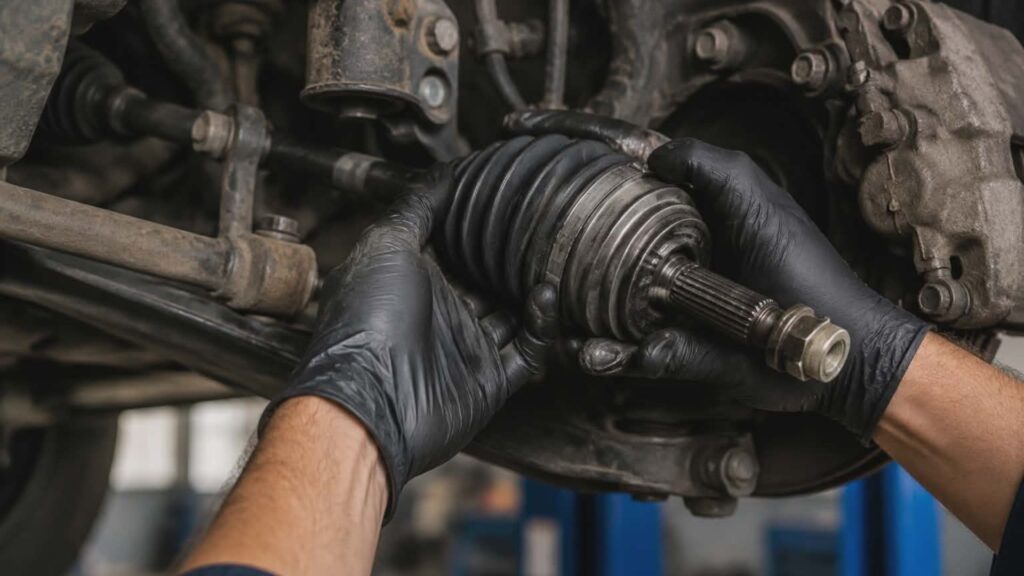
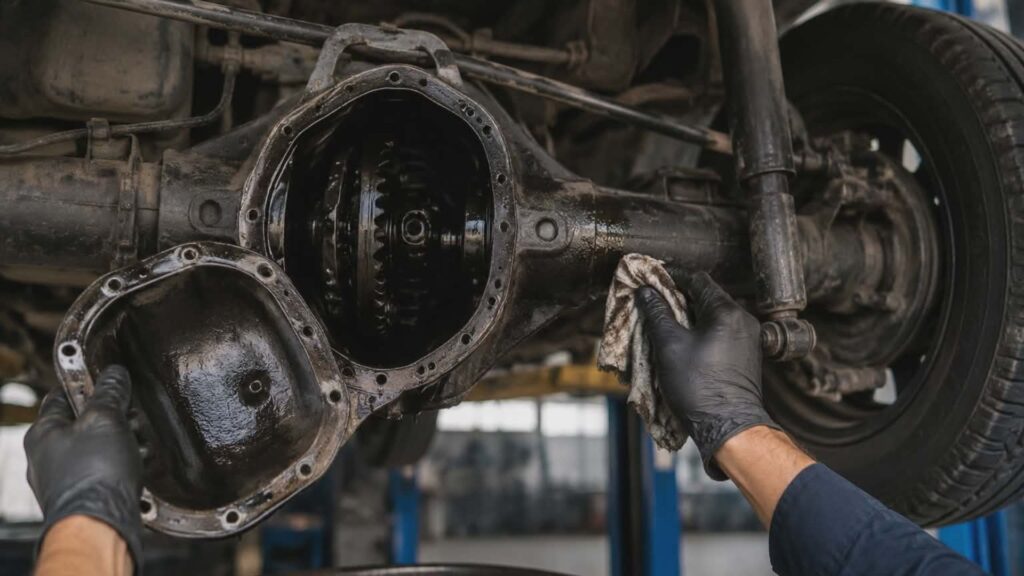
If you have noticed fluid under the rear of your vehicle or greasy residue near a rear wheel, you may be dealing with a rear axle seal leak. While a small leak may seem easy to ignore, it can lead to additional repairs if fluid levels drop or leaking oil reaches nearby brake components. Here is what a rear axle seal does, which warning signs to watch for, and when to schedule a professional inspection. What Does a Rear Axle Seal Do? The rear axle seal helps keep gear oil contained inside the axle housing or differential. This fluid lubricates moving components, including gears and bearings, while the seal also helps keep dirt and moisture from entering the assembly. Over time, an axle seal may wear out because of age, mileage, damage, pressure buildup, or wear in nearby axle components. When the seal no longer forms a proper barrier, gear oil may begin leaking from the rear axle assembly. Common Rear Axle Seal Leak Symptoms Fluid Under the Rear of Your Vehicle One of the most noticeable warning signs is a puddle or drip beneath the rear portion of your car or truck. Gear oil is often thicker than engine oil and may have a strong, distinct odor. If you notice oily fluid near a rear wheel or around the axle area, schedule an inspection to determine where the leak is coming from. Greasy Residue Around a Rear Wheel A damaged axle seal may allow fluid to spread around the inside of a rear wheel, axle shaft, or brake backing plate. You may notice wet, greasy buildup rather than a puddle on the ground. Because other components can also leak in this area, visible residue does not confirm the cause on its own. A technician can inspect the axle seal, differential, bearing, and nearby parts to locate the source accurately. Whining Noise or Vibration While Driving If a leak becomes significant and fluid levels drop, the differential and related moving components may not receive the lubrication they need. This can contribute to unusual whining, humming, or grinding noises from the rear of the vehicle. Vibration while driving may also indicate a related axle, bearing, tire, or suspension problem. Any new or worsening noise should be inspected before additional wear occurs. Brake Contamination On some vehicles, leaking axle fluid can reach nearby rear brake components. When brake shoes or other friction surfaces become contaminated with oil, braking performance may be affected. If you notice unusual braking behavior, pulling, grabbing, reduced braking performance, or visible fluid near the rear brakes, have the vehicle inspected promptly. Strong Gear Oil Odor Gear oil often has a strong, noticeable smell. If you detect an unusual oily odor near the rear of your vehicle, especially after driving, leaking axle or differential fluid may be the cause. An inspection can determine whether the odor is coming from an axle seal, differential cover, pinion seal, or another component. What Can Cause a Rear Axle Seal Leak? Rear axle seals may fail gradually as the rubber material ages and loses its ability to maintain a tight seal. Other possible contributors include: High mileage or repeated heavy-load driving Damage to the seal during previous repairs Wear in the axle shaft or nearby bearing Excess pressure inside the axle housing Dirt, moisture, or debris affecting the sealing surface Because a leaking seal can sometimes be connected to wear elsewhere in the axle assembly, replacing the seal alone may not always address the full problem. Can You Repair an Axle Seal Yourself? Replacing a rear axle seal may be possible for someone with automotive repair experience, but it often requires specialized tools and careful installation. Depending on the vehicle, the repair may involve removing axle components, inspecting the bearing, cleaning leaked fluid, and checking nearby brakes. Incorrect installation can cause the leak to return or damage nearby components. A professional technician can identify the source of the leak, inspect related parts, and recommend the appropriate repair. When Should You Schedule an Inspection? Schedule service if you notice fluid near a rear wheel, gear oil odor, unusual noises from the rear of the vehicle, or changes in braking performance. Early inspection may help prevent a manageable seal repair from turning into damage involving the differential, bearing, or brake components. If braking performance appears affected, avoid delaying an inspection. Schedule Rear Axle Seal Repair in Indianapolis A rear axle seal leak may start as a small drip, but it should not be ignored. If fluid is escaping from the axle assembly, your vehicle may need a seal replacement or additional inspection of nearby components. The team at Grewal’s Automotive in Indianapolis can inspect your vehicle, identify the source of the leak, and recommend the right repair. Call 317-886-7501 or stop by to schedule an inspection and keep your vehicle road-ready.
Rear Axle Seal Leak Symptoms and When to Schedule Service Read More »