

What Is a Diagnostic Test on a Car and Why Does It Matter
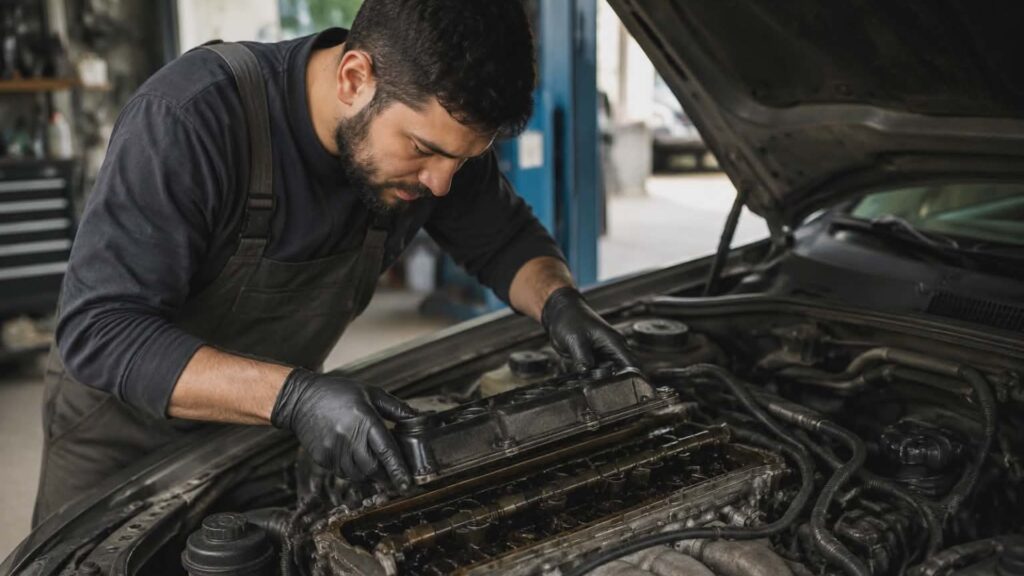
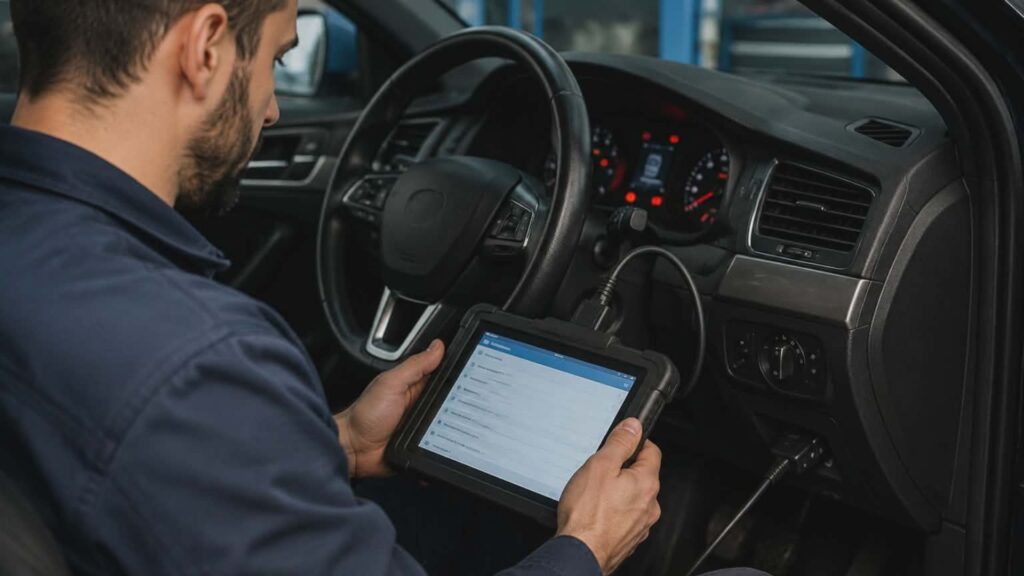
You notice your check engine light flickering on the dashboard. Maybe the car feels off: sluggish acceleration, a rough idle, or an unusual smell from the exhaust. Something is clearly wrong, but you have no idea what. This is exactly where a car diagnostic test becomes your best tool for getting real answers fast. Think of it like a medical diagnosis for your vehicle. Just as a doctor runs tests before prescribing treatment, a mechanic uses diagnostic tests to figure out what is actually happening inside your car before touching a single bolt. What Is a Car Diagnostic Test? A car diagnostic test is a process where a technician connects a specialized scanner to your vehicle’s onboard computer to read error codes stored by the car’s computer system. Modern vehicles are built with an onboard diagnostic system – commonly known as OBD – that continuously monitors hundreds of components and systems to check for issues. When something goes wrong, the vehicle’s computer system logs diagnostic trouble codes and often triggers a warning light. The diagnostic equipment reads these trouble codes and gives the mechanic a starting point for identifying any issues with the engine, transmission, exhaust system, ignition system, brakes, and more. Car diagnostic tests scan nearly every major system in your vehicle, including: Engine performance and fuel injection Transmission function Anti-lock braking system (ABS) and brake performance Exhaust and emissions (including the catalytic converter and oxygen sensor) Ignition coils and ignition timing Airbag and safety systems Throttle response and powertrain function Cooling system, coolant levels, and air conditioning Steering and car suspension This gives the technician a clear overview of your car’s condition without guesswork. How Does a Vehicle Diagnostic Test Actually Work? When you bring your car in, the technician plugs a scanner into the OBD port – usually located under the dashboard on the driver’s side. This scanner communicates with the vehicle’s onboard computer and pulls any stored diagnostic trouble codes. From there, the mechanic interprets what those codes mean. A code might point to a fuel injector issue, a misfiring ignition coil, a failing sensor, or problems with the exhaust gas recirculation system. The diagnostic codes do not always pinpoint the exact part that needs replacing, which is why a skilled technician’s knowledge matters so much. They use the data as a guide to diagnose the root cause accurately. Can You Perform a Car Diagnostic Test at Home? Yes, it is possible to perform a car diagnostic test at home using a basic OBD-II scanner purchased from an auto parts store. These devices can read error codes and give you a general idea of what the onboard computer system has flagged. However, there is a catch. Reading code is not the same as understanding it. A generic code might say “engine misfire,” but it won’t tell you whether it is the spark plugs, ignition coils, a fuel delivery problem, or something else entirely. For anything beyond a simple check, professional car diagnostics at a trusted auto shop give you far more accurate results. If your check engine light comes on and stays on, that is a signal to get a professional inspection done right away. Why Regular Diagnostic Tests Matter for Your Car Skipping diagnostic tests might seem like saving money in the short term, but it often leads to costly repairs down the road. A vehicle diagnostic test helps catch errors before they become catastrophic – especially with systems like the transmission, brake lines, or exhaust system, where a small malfunction can quickly become a major safety issue. Regular diagnostic tests also help maintain fuel efficiency, protect your engine, and extend the overall life of your vehicle. They are an essential part of routine preventative maintenance services that keep your car running the way it should. A test helps catch issues quickly – whether it’s an engine problem, a brake malfunction, or another performance issue you haven’t noticed. How Much Does It Cost? How much does it cost to get a vehicle diagnostic? Diagnostic costs typically range from $50 to $150 at most auto repair shops. Some shops provide free diagnostic services as part of a promotion or bundled with other work. Keep in mind that the diagnostic service fee is separate from any repair costs that follow. It is worth asking upfront about pricing. At Grewal’s Automotive, estimates are always explained clearly before any work begins. What Grewal’s Automotive Offers At Grewal’s Automotive in Indianapolis, IN, the team provides advanced computer diagnostics services using state-of-the-art diagnostic equipment to give you an accurate picture of what your vehicle needs. Whether your check engine light is on or you simply want peace of mind, their technicians are ready to help with everything from engine diagnostic work to professional auto repair services. They also offer expert engine repair solutions for deeper mechanical issues and can walk you through common causes of a rough idle. Every car care visit is handled with transparency – no surprises, no fine print. Conclusion A car diagnostic test is one of the smartest investments you can make in your vehicle’s health. It gives you and your mechanic real data to work with, helps prevent bigger problems, and keeps car diagnostics from becoming a guessing game. If your dashboard is sending signals or something feels off, do not wait. Schedule a diagnostic test on your vehicle at Grewal’s Automotive today by calling 317-886-7501 or visiting grewalsautomotive.com.
What Is a Diagnostic Test on a Car and Why Does It Matter Read More »