
Grewal's Automotive

Should I Replace Ignition Coils With Spark Plugs Together or Separately?

Should I Replace Ignition Coils With Spark Plugs Together or Separately?

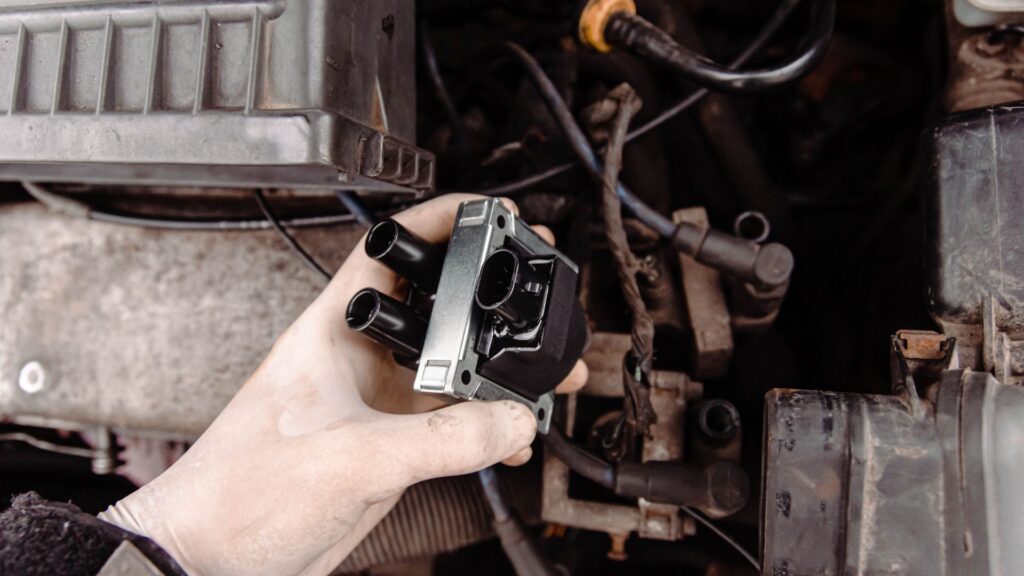
If you’re wondering whether to replace your ignition coils when changing your spark plugs, you’re not alone. Many Indianapolis drivers find themselves in the same situation during regular maintenance or when facing performance issues like a misfire or rough idle. Let’s walk through when and why you might want to replace spark plugs and ignition coils together, and when it’s fine to do one without the other. What Do Spark Plugs and Ignition Coils Actually Do? Before jumping into replacement strategies, it helps to understand how both parts function within your ignition system. Spark plugs ignite the air-fuel mixture inside your engine’s cylinder using a high-voltage charge. Ignition coils (also called coil packs or coil on plug systems) convert your car battery’s voltage into the higher voltage required to power those spark plugs. Together, coils and plugs provide the spark that drives combustion in your engine. If either one fails, it can throw off performance, cause a misfire, impact fuel economy, and light your check engine light. Should You Replace Coils With Spark Plugs? Replace Coils and Plugs at the Same Time: When It Makes Sense Replacing both your spark plugs and coils at the same time can be smart under certain conditions, especially if you’re trying to avoid additional labor or future breakdowns. Here are a few signs that point to replacing both: You’ve already got high mileage, say 100k miles or more You notice engine issues like rough idle, poor acceleration, or a misfire occurs You’re prepping for a major spark plug replacement You’re working on a rear bank of a V6 engine, where access is difficult Visible damage or wear on the coils, such as cracking, oil contamination, or arcing If one coil is failing, the rest may not be far behind, especially if they’re the same age. In that case, replacing all the coils can save you a return trip to your mechanic. When You Might Not Need to Replace Coils Some drivers would only change the necessary coil, particularly if: You’ve only experienced coil pack failure on one cylinder Coils appear in good condition during a visual inspection You’re on a budget and making staged repairs In such cases, it’s fine to replace the defective one while keeping the others. Still, we recommend you buy a spare and keep it just in case another one fails soon after. The Relationship Between Coils and Spark Plugs Here’s the thing: worn spark plugs put additional strain on your ignition coils. Over time, this causes coil life to shorten due to the increased voltage required to jump degraded plug gaps. That’s why many automotive technicians in Indianapolis suggest replacing spark plugs and ignition coils together, especially on today’s engines that use coil-on-plug setups. It’s a proactive measure that protects your entire ignition system and helps maintain fuel economy. Still Unsure? Think About These Scenarios Replacing Spark Plugs Only Ideal if your coils are functioning properly and your vehicle hasn’t reached high mileage. Great time to inspect plug wires (if applicable), clean any carbon buildup, and check the spark plug gap. Replacing Ignition Coils Only Reasonable if one coil is clearly faulty (e.g., misfiring code shows up on an OBD2 scanner). Necessary to replace that individual coil, but it’s best to visually inspect the others while you’re at it. Replacing Spark Plugs and Ignition Coils Together Makes sense when you’re doing major maintenance (especially in engines with iridium plugs that last 100K+ miles). Helpful if you’ve just changed spark plugs, but performance didn’t improve, suggesting weak coils too. How Long Do Spark Plugs and Coils Last? Iridium or platinum spark plugs like NGK’s or Denso’s typically last between 60K to 120K miles, depending on the vehicle and driving conditions. Ignition coils, depending on OEM or aftermarket quality, may last just as long, but some could fail around 40K to 80K miles. Always remember to source the proper OEM coil or equivalent if you do want to replace coils or plugs yourself. Going aftermarket can sometimes work, but inconsistent quality could lead to repeated repairs. If your vehicle manual suggests you change plugs every 100K miles, it might also be a good window to check coil condition. Why New Spark Plugs Help Preserve Coils What most people don’t realize is that bad plugs affect good coils. Here’s how it happens: Over time, worn electrodes and a widened spark gap make it harder for the coil to produce enough voltage. This puts undue stress on the coil, shortening its lifespan and risking a coil pack failure. Changing plugs sooner, at intervals like 50K miles, can help avoid premature damage to otherwise functional coils. DIY vs. Pro Help: What’s Better? If you’re handy under the hood and using trusted parts like NGK, Denso, or OE products, replacing coils and spark plugs isn’t too hard for many vehicles. But some layouts like the Honda Odyssey or other V6 models, make reaching the rear bank of cylinders difficult. Not sure which route to take? Our team at Grewal’s Automotive is always here to help with friendly guidance and dependable automotive repair services. Key Takeaways: When Should You Replace Ignition Coils With Spark Plugs? Yes, it usually makes sense to replace coils at the same time if your vehicle is older, has high mileage, or if performance issues are present. No, it’s not necessary to replace all coils every time you do a plug change, especially if you’re dealing with a defective one only. If your spark plugs don’t look too worn but your car is misfiring, you could simply change the coil pack on the misfiring cylinder. Don’t forget to always get new spark plugs with proper plug gaps and match them with working coils for optimal combustion and fuel economy in automobiles. When In Doubt, Talk To a Pro In the end, knowing when to replace spark plugs or ignition coils separately, or both together, isn’t always straightforward. But catching and resolving small issues early can prevent costly fixes later on. If

Should I Replace Ignition Coils With Spark Plugs Together or Separately? Read More »
Top Car Overheating Causes and How to Fix Them Before It Gets Worse

Top Car Overheating Causes and How to Fix Them Before It Gets Worse

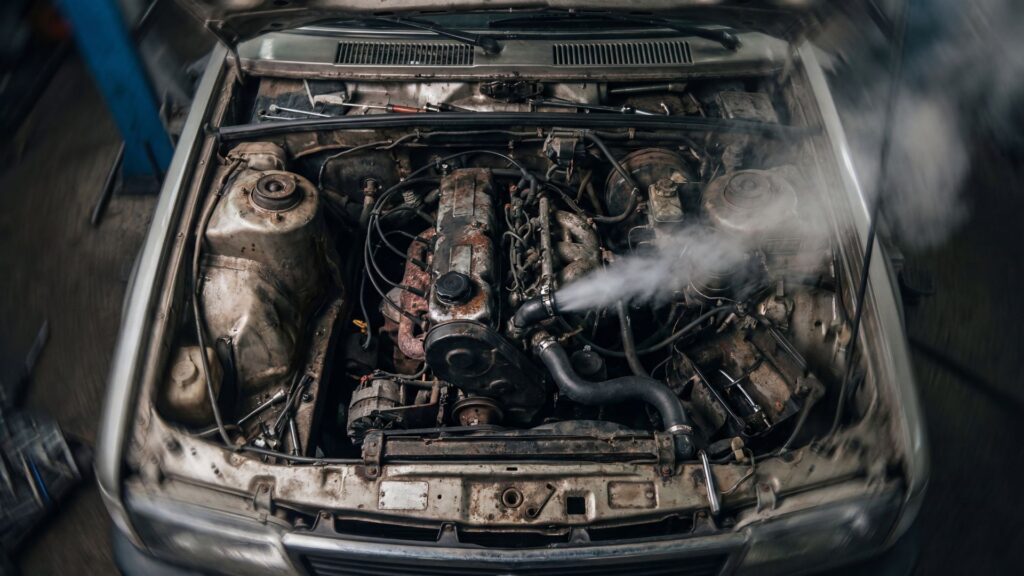
If you’ve ever seen steam rising from your hood or watched your temperature gauge spike into the red, you know how scary it can be when your vehicle is overheating. Whether it happens on a hot, summer day in stop-and-go traffic or during a long drive on the highway, engine overheating is not something to ignore. Understanding what causes a car to overheat can help you catch small problems before they turn into serious damage. At Grewal’s Automotive, we’re here to help you stay cool under the hood and avoid costly repairs. Why Does a Car Overheat? There are several common reasons your vehicle might overheat. Most of them come down to one thing: your engine gets too hot because it can’t properly regulate temperature. But what makes this happen? Let’s break it down. Low Coolant Levels Can Cause a Car to Overheat Coolant is the fluid that circulates through your engine, absorbing heat and moving it to the radiator. When coolant levels are low, there isn’t enough fluid to pull the heat away from the engine. This quickly leads to rising temperatures and can cause your car to overheat. Here’s what causes coolant levels to drop: A coolant leak Evaporation over time Cracked hoses Failing water pump To catch it early, regularly check your engine coolant. If your coolant levels are low, top them off with antifreeze. But keep in mind that adding fluid won’t fix the leak; it just buys you time until you can get to a mechanic. Radiator Problems: One of the Most Common Causes of a Car Overheating The radiator is essential for keeping your car cool. After absorbing heat from the engine, the coolant flows into the radiator, where the heat dissipates into the air. If the radiator isn’t doing its job, the whole system fails. Common radiator issues include: Blockage from debris or dirt Cracked radiator housing Faulty radiator cap not holding pressure Broken radiator fan Without airflow or pressure to help pull heat from the engine coolant, overheating can occur very quickly. Watch for steam, rising dashboard temperature gauges, or visible leaks at the front of the engine. Thermostat Failure Can Lead to Overheating The thermostat regulates engine temperature by controlling coolant flow from the engine to the radiator. When it’s working right, it opens as the engine heats up. When it fails, it may stay closed, trapping heat inside the engine block. A stuck thermostat can rapidly cause overheating. Symptoms include: Fluctuating temperature gauge Lack of heat from the heater core The engine runs hot despite the coolant levels being normal Don’t ignore thermostat trouble; thermostat failure is a serious issue that can lead to engine damage if left unchecked. Coolant Leaks: Small Issue, Big Risk A coolant leak might not seem like a big deal at first – maybe just a green or orange puddle under the car. But even small leaks can spiral into major repairs. Look for leaks around: Hoses or coolant hoses Thermostat housing Radiator seals Water pump’s seal or gasket A visible puddle under your parked vehicle or a drop in coolant levels over time is a red flag. If you suspect a leak, seek professional help to address the issue before it does damage to your vehicle. The Water Pump: Your Engine’s Cooling Workhorse The water pump’s job is to push coolant throughout the system. Think of it as the heart of your vehicle’s cooling system – if it fails, coolant can’t circulate. Possible signs of a bad water pump include: Whining or grinding noises from the front of the engine Leaking antifreeze around the pump Steam or smoke from the radiator Without effective coolant flow, heat builds up fast, leading to an overheated engine. Timely repair of the water pump can prevent your car from overheating. Blockage in the Cooling System Another sneaky cause of overheating is a blockage in the cooling system. If coolant can’t flow freely through the engine, radiator, or heater core, it can’t do its job. This might happen due to: Rust or debris built up in the radiator Collapsed hoses Clogged heater core A blockage in any part of the system disrupts temperature regulation and can cause rapid overheating. Radiator Fan Failure When your car is stationary or moving slowly, the radiator fan kicks in to cool the coolant since there’s less natural airflow. If the radiator fan fails, your engine can overheat while idling or in traffic. Fan issues might be due to: Electrical problem Broken fan clutch Failed fan motor Keep an eye on the temperature gauge whenever you’re stuck in traffic. If your engine begins to overheat while idle, this may be your culprit. Oil Problems That Lead to Overheating Motor oil helps more than just lubricate – it also pulls heat from the engine. If your oil levels are low or the oil is old and dirty, this can contribute to engine overheating. How to check for oil problems: Use the dipstick to monitor oil levels Change oil at regular intervals Watch for signs of low oil pressure or warning lights Low oil levels combined with a struggling cooling system can lead to severe overheating and potential engine damage. When Belts and Hoses Break Your vehicle’s belts and hoses keep the cooling and water pump systems working together. If a belt snaps, suddenly your water pump may stop turning. If a hose breaks, hot coolant pours out, and your system fails on the spot. Warning signs of trouble include: Steam or smoke under the hood Squealing noise from a slipping belt Visible cracks or swelling in hoses Avoid overheating and damage by performing regular checks on belts and hoses as part of your maintenance routine. Warning Signs Your Car is Overheating Knowing the early symptoms can make all the difference. Watch your: Temperature gauge – Higher than 220 degrees Fahrenheit? Time to stop. Warning lights – A clear signal that something’s off. Steam or smoke – Do not ignore this. Pull over safely and

Top Car Overheating Causes and How to Fix Them Before It Gets Worse Read More »

Top Rough Idle Causes That Could Be Wrecking Your Engine's Performance

Top Rough Idle Causes That Could Be Wrecking Your Engine’s Performance

If your car shakes while idling or feels like it’s sputtering when you’re stopped at a red light, you might be dealing with a rough idle. This can be both frustrating and concerning, especially when you’re not sure what’s causing it. The good news? You’re not alone, and understanding the most common causes can help keep your vehicle running smoothly and efficiently. Let’s break down what causes rough idling and what you can do to get your engine back to running as it should. At Grewal’s Automotive, we specialize in helping drivers in Indianapolis, IN, identify and fix idle problems before they lead to larger engine issues down the road. Understanding Engine Idle and Why It’s Important Your engine idle is the pace at which your engine runs when your foot is off the accelerator. A smooth idle is key to keeping your car running quietly and efficiently when idling at a stop. If your car idles roughly, it means your engine isn’t burning fuel and air at the proper ratio or timing. When the idle becomes unstable, the revolutions per minute (RPMs) may go up and down, and you might hear a sputtering sound or feel vibrations inside the cabin. Common Causes of Rough Idle A rough idle is often a symptom of underlying issues with fuel delivery, air intake, or the ignition system. Here are some of the most common culprits: Dirty or Clogged Fuel Injectors Fuel injectors disperse fuel directly into the cylinders. Dirty fuel injectors or a clogged fuel injector can deliver fuel unevenly, causing the engine to generate inconsistent power, resulting in a rough idle. Dirty fuel can gradually gum up your injectors over time, especially if you often run your tank low or use low-quality gasoline. Faulty or Worn Spark Plugs A faulty spark plug can prevent proper combustion, which may lead to rough idling due to misfires. Spark plugs supply the spark that ignites the fuel-air mixture inside the combustion chamber. If the plug is corroded or worn, the fuel may be burned at an inconsistent rate, which can cause the engine to run roughly or even stall. Vacuum Leaks in the Intake System Your engine pulls in air while creating a vacuum through hoses connected to the intake manifold. Over time, these hoses can eventually wear out or loosen and develop a leak. A vacuum leak can skew the amount of air entering the engine, leading to rough idling. This is another common cause of rough idle that’s often overlooked. Malfunctioning Sensors Modern engines rely on various sensors like the mass airflow sensor and oxygen sensor to adjust the air–fuel ratio in real time. When one of these sensors fails, your engine may not receive the correct mix of fuel and air, which can lead to a rough idle and poor performance. Issues with the Fuel System Problems in your fuel system can also lead to a rough idle. A clogged fuel filter restricts fuel flow, while a bad fuel pump might not deliver the needed pressure, both of which can cause the engine to run poorly. Other potential fuel system issues include: A clogged fuel filter is limiting the gas supply Low-quality or dirty fuel The fuel pump is starting to fail Throttle Body and Carbon Buildup The throttle body regulates how much air enters the engine. Over time, it can become coated with carbon deposits, preventing proper airflow. This unbalanced mix can cause a rough idle and engine stalling. How to Diagnose Rough Idling Issues If your car idles roughly or stalls, don’t guess. Look out for these signs and symptoms: Fluctuating RPMs while the car is stopped A vibrating or shaking engine Check engine light turning on Poor acceleration or fuel economy Sputtering or engine knocking when the engine was cold To properly diagnose the issue, a mechanic will often: Perform a full inspection of your vehicle systems Use scan tools to check sensor data and engine codes Test for fuel pressure and possible leaks Examine the spark plug, ignition coils, and throttle body When to See a Mechanic Some idle problems can be fixed easily, like changing a dirty air filter or replacing faulty spark plugs. But others, such as a vacuum leak or malfunctioning fuel injector, require professional attention. Rough idle is key to catching early signs of engine problems before they become expensive repairs. At Grewal’s Automotive, our certified experts in Indianapolis, IN, can help in diagnosing and repairing issues related to idle, performance, and more. Whether it’s a compression check due to low compression or investigating why your engine is idling rough, we’re here to help get your car back on the road. We offer comprehensive auto repair and maintenance services tailored to your vehicle’s needs. Conclusion: Don’t Ignore the Rough Idle Ignoring a rough idling engine may save time now, but it can lead to costly repairs later. The various causes of rough idle – from a clogged fuel injector to a vacuum leak or faulty spark plugs- shouldn’t go unchecked. Diagnosing the cause of a rough idle is key to keeping your car running smoothly and efficiently. If your car starts acting up while idling or you’ve noticed the RPM fluctuates while you’re at a stop, it’s time to take action. Reach out to a trusted mechanic in Indianapolis, IN, and get a proper inspection before minor issues become major expenses. Know someone who’s experiencing idle problems? Share this article with them or bookmark it for reference the next time your car idles roughly.

Top Rough Idle Causes That Could Be Wrecking Your Engine’s Performance Read More »