

7 Reasons Your Vehicle Heater Is Not Working And What To Do
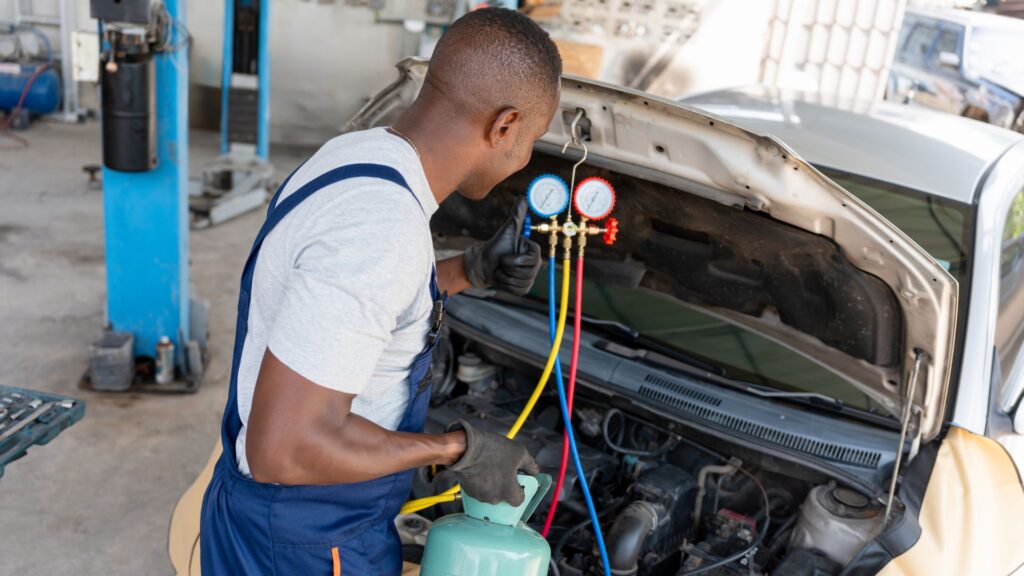
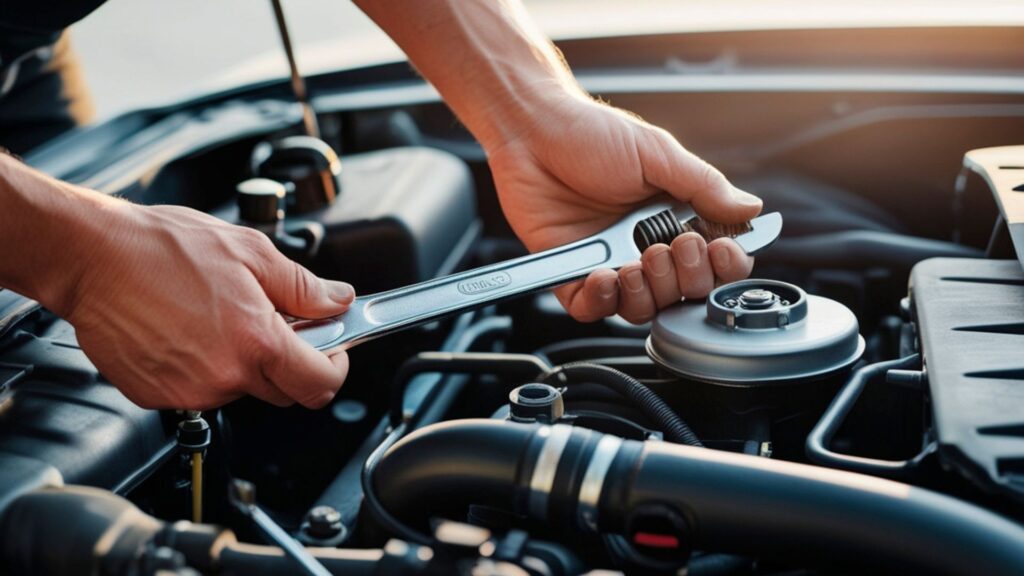
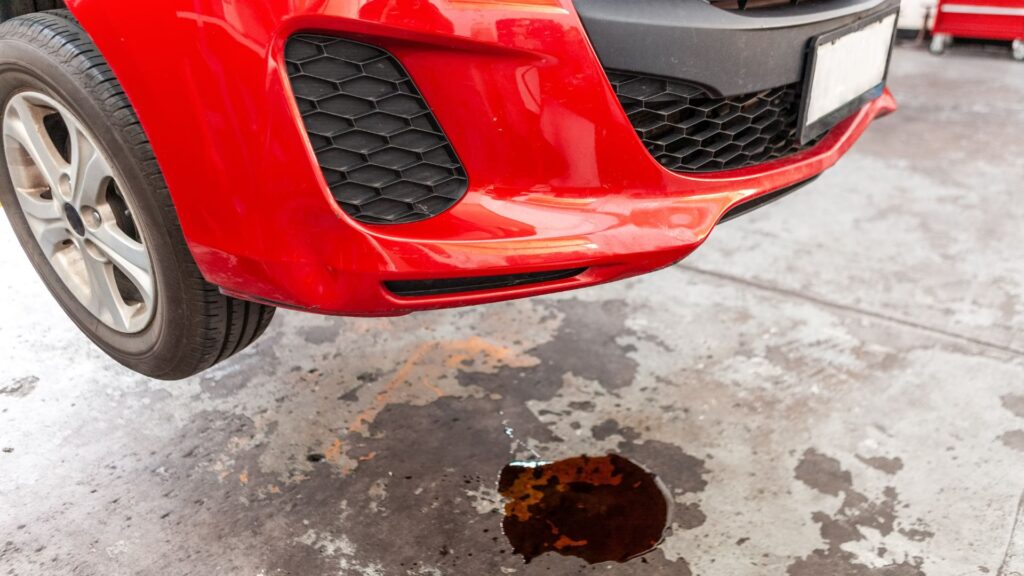
There is nothing worse than turning on your car heater on a cold morning only to get a blast of cold air instead of warmth. If your car heater isn’t working the way it should, you are not alone. It is one of the more common car heater complaints drivers bring into the shop, and the good news is that most causes are well understood and fixable. Here is a breakdown of the common causes behind a heater that is not blowing hot air and what you can do about it. How Does a Car Heater Work? Before diving into the problems, it helps to understand the basics. Your car’s heating system relies on engine coolant to warm the air that flows into the cabin. Coolant absorbs heat and circulates through the engine, then passes through the heater core, a small radiator-like component tucked behind your dashboard. As the blower motor pushes air through the heater core, that air picks up heat from the engine coolant and gets delivered as warm air into the cabin. When any part of this process breaks down, your heater stops working properly. Common Reasons Your Car Heater Is Not Blowing Hot Air Low Coolant Level One of the most frequent reasons your car heater isn’t blowing hot air is a low coolant level. The heater relies on a full coolant system to transfer heat effectively. When the antifreeze level in the reservoir drops too low, there may not be enough hot coolant to reach the heater core and warm the incoming air. Start by checking the coolant level in the overflow reservoir when the engine is cool. If it is below the minimum line, topping it off may restore heat in your car. However, if you are frequently dealing with low coolant, there could be a leak somewhere in the system worth investigating. Faulty Thermostat A faulty thermostat is another common culprit. The thermostat regulates engine temperature by controlling when coolant flows through the system. If the thermostat is stuck open, the engine may never reach its proper operating temperature, which means the heater core might not get hot enough to produce warm air. A thermostat stuck open can also cause poor fuel efficiency and sluggish engine performance. Replacing a thermostat is a relatively affordable fix, but it does require proper diagnosis first. A technician can use engine computer diagnostics to confirm whether the thermostat is the issue. Clogged or Failing Heater Core A clogged heater core is a sneaky problem. Over time, rust, mineral deposits, and debris can build up inside the heater core, blocking the flow of engine coolant to the cabin air system. When the heater core is plugged, you may notice lukewarm air or no heat at all. A plugged heater core can also cause a sweet smell inside the car, which is often a sign of antifreeze leaking. If you notice foggy windows or damp carpet on the passenger side, the heater core might be leaking and may need to be replaced. Air Pockets in the Coolant System Air pockets can form inside the coolant system after a repair, a coolant flush, or if the system loses fluid over time. Trapped air prevents hot coolant from circulating properly, which stops heat from reaching the cabin. Bleeding the cooling system to remove air pockets in the coolant is a straightforward fix, but it requires the right procedure to avoid making things worse. This is also one of the reasons your car may appear fine externally but still not produce heat. If you want to understand more about coolant-related issues, check out why your car is overheating even though the coolant is full. Blower Motor Issues If the heater is blowing cool or no air at all, the blower motor or a related component like a fuse or resistor, could be at fault. The blower, essentially a centrifugal fan, is what pushes air through the heater core and into the cabin. If the blower motor isn’t working, you will not feel airflow regardless of how hot the coolant gets. A blown fuse is often the simplest fix. If the fuse is fine, the blower motor or its resistor may need to be replaced. Heater Control Valve Problems The heater control valve manages how much coolant flows into the heater core. A faulty heater valve can restrict or block coolant flow entirely, leaving you with a heater that is blowing cool air no matter what the temperature settings say. Dirty Cabin Air Filter A clogged cabin air filter can reduce the airflow into the cabin significantly, making it feel like your heater isn’t working even when the system is functioning. Replacing a dirty cabin air filter is one of the easiest and most overlooked parts of regular car maintenance. When to Get Professional Help Some of these fixes, like topping off coolant or replacing a cabin air filter, are straightforward. Others, like diagnosing a faulty thermostat, flushing a cooling system, or deciding whether to replace the heater core, require hands-on expertise. If your car heater stops working and basic checks do not solve it, it is worth having a technician take a closer look. Ignoring heating issues can sometimes lead to bigger problems, including engine overheating. You can learn more about common causes of car overheating to stay ahead of potential trouble. Keeping up with routine preventative maintenance services also goes a long way in preventing a faulty heater and other car heating issues before they become expensive repairs. Conclusion A working heating system is not a luxury – it is a safety and comfort essential. Whether the issue is low coolant, a stuck thermostat, air pockets, or a blower problem, identifying the cause early saves time and money. If your vehicle’s heater isn’t performing the way it should, the team at Grewal’s Automotive in Indianapolis is ready to help. Reach out at 317-886-7501 or learn more about automotive heating and cooling system repairs to get your heat back where it
7 Reasons Your Vehicle Heater Is Not Working And What To Do Read More »