


That Sweet Smell In Your Car Means Coolant Is Leaking
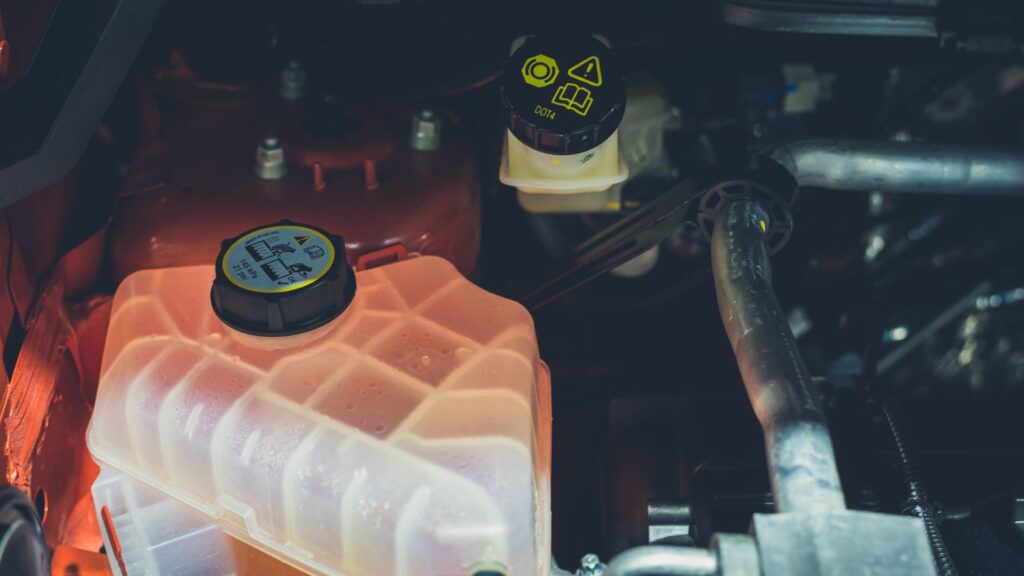
You hop into your car, start the engine, and notice something strange – a warm, syrupy odor that almost smells like maple syrup. It’s oddly pleasant, but it’s also a warning sign you should never ignore. That sweet smell coming from your car is almost always coolant leaking somewhere in the system. And while it may not seem urgent, a coolant leak can lead to serious engine damage if left unchecked. Why Does Coolant Smell Sweet? Coolant, also known as antifreeze, contains ethylene glycol – a chemical compound that produces that distinctive sweet odor when it heats up or burns off. Unlike a gas leak, which smells sharp and dangerous, a coolant leak can lull you into thinking everything is fine. It isn’t. The smell is your vehicle trying to tell you something is wrong. Where Is the Sweet Smell Coming From? The odor can come from several places, and pinpointing the source matters. Here are the most common culprits: Radiator or hoses: A crack or loose connection in the radiator system can allow coolant to drip onto hot engine components, causing that warm, sweet smell to rise up through the hood. Heater core: If the sweet smell is strongest inside the cabin – especially near the dashboard or vents – the heater core may be leaking. The heater core is part of your vehicle’s heating, ventilation, and air conditioning system, and a failed one can push coolant vapor directly into the passenger compartment. Exhaust system: If coolant is making its way into the combustion chamber, you may notice the sweet smell near the exhaust. This can point to a blown head gasket – a more serious repair. Carpet or floor mat: Sometimes coolant leaks slowly and soaks into the carpet before you ever notice a puddle. A damp, sweet-smelling floorboard is a red flag worth investigating immediately. Is It Dangerous? Yes – in more ways than one. Ethylene glycol is toxic to pets and children, so even a small drip in your driveway poses a risk. Beyond that, low coolant levels cause your engine to overheat, which can lead to catastrophic – and expensive – damage. An auto mechanic can pressure-test your cooling system to locate the exact source of the leak before it becomes a much bigger problem. Other Smells to Know About Not every strange odor means a coolant leak. A burning smell near the wheels could point to brake issues. A sharp chemical smell might indicate a gas leak. A sulfur odor near the rear of the vehicle could mean a failing catalytic converter or air filter restriction. Each smell tells a different story, and getting the right diagnosis early saves you money on repairs down the road. What to Do If You Notice the Sweet Smell Do not ignore it and do not assume it will go away on its own. Check your coolant reservoir when the engine is cold, and look for visible drips under the vehicle. If the level is low or you see staining around hoses or fittings, it’s time to have it inspected. The team at Grewal’s Automotive has the tools and expertise to diagnose coolant leaks quickly and accurately. What a Sweet Smell in Your Car Means A sweet smell in your car is not something to brush off. It almost always means coolant is leaking somewhere in your vehicle, and the longer it goes unaddressed, the more damage it can cause. Whether the source is a hose, heater core, or something deeper in the engine, early diagnosis is the key. Contact Grewal’s Automotive at 317-886-7501 or visit our radiator repair page to schedule an inspection today.
That Sweet Smell In Your Car Means Coolant Is Leaking Read More »