
Grewal's Automotive

Why Does My Car Shake When I Brake? Common Causes And Smart Fixes

Why Does My Car Shake When I Brake? Common Causes And Smart Fixes

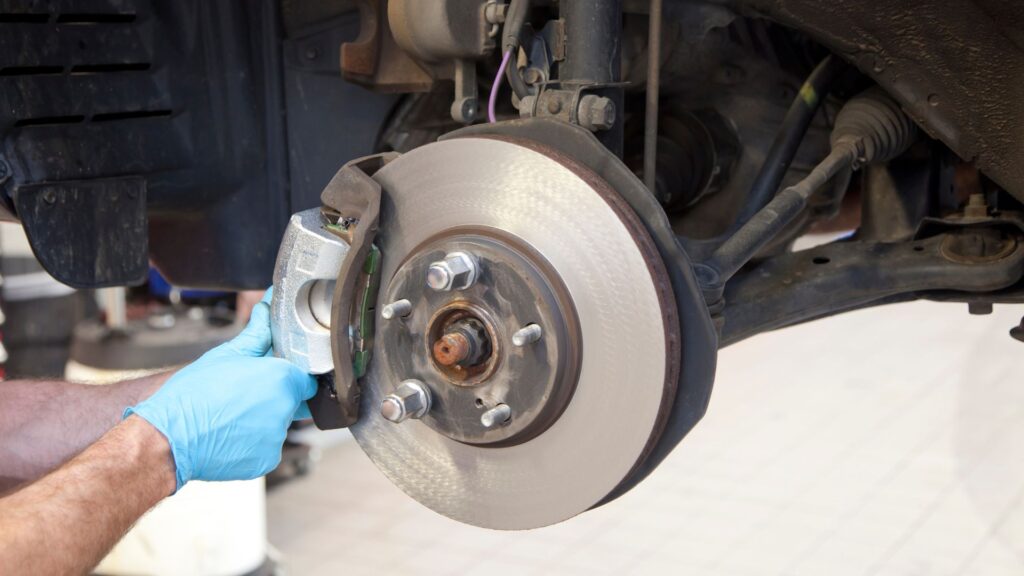
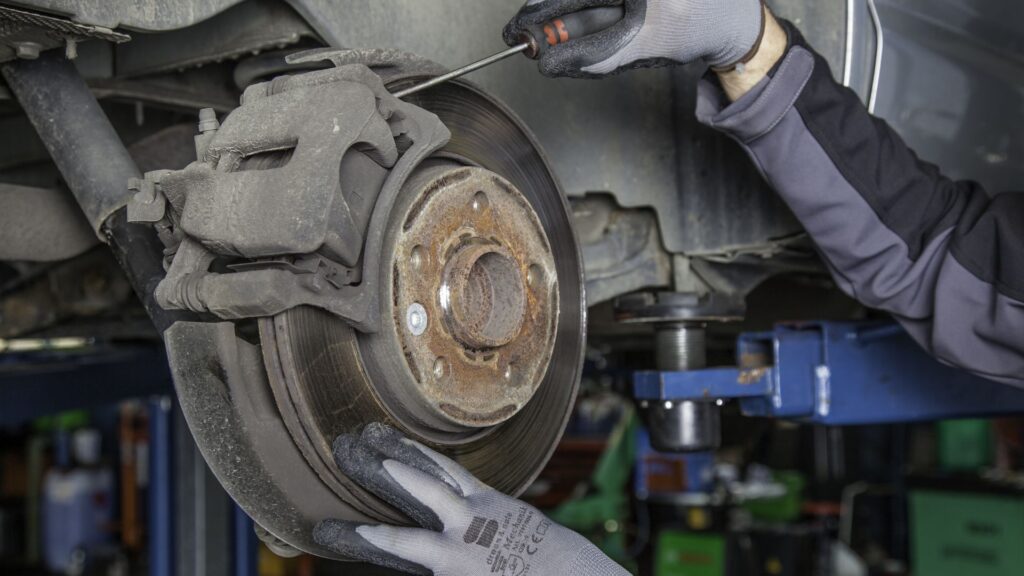
You are driving through Indianapolis traffic, everything feels normal, and then you press the brake pedal. Suddenly, the steering wheel shakes, the car is vibrating, and you wonder, “Why does my car shake when I brake?” A shaky brake experience is not just annoying. It is often a sign that something in your brake system or suspension needs attention. The good news is that most common causes are diagnosable and fixable – especially when handled early by experienced professionals like the trained technicians at Grewal’s Automotive. Let’s walk through what is happening and what you should do next. What It Means When Your Car Shakes When Braking When your car shakes when braking, you are usually feeling a vibration caused by uneven contact between brake components. In a disc brake setup, the brake pad clamps onto a spinning rotor. Friction slows the wheel, creating the force needed to stop your vehicle. If that rotor surface is not perfectly smooth or if parts are worn-out or uneven, the braking pressure fluctuates. That fluctuation turns into brake pulsation, which you feel in the brake pedal or even a vibration in the steering wheel. If the steering wheel shakes or your entire car feels unstable, the issue may involve the front rotors, tire balance, or even parts of the car suspension. Warped Or Uneven Rotors – The Most Common Culprit One of the most common causes of a brake shake is a warped rotor. Rotors are warped when excessive heat builds up during braking. If you frequently drive your vehicle at high speeds and apply the brakes hard, the heat can cause the metal to slightly warp. Over time, rotors wear unevenly due to wear and tear, dirt and debris, and even corrosion. When rotors are warped, the surface is no longer perfectly flat. Each time the brake pad squeezes the rotor, the pressure changes slightly. That is what causes brake pulsation and makes the steering wheel shakes. Sometimes the issue is described as braking is warped, but what it really means is that you may have a warped rotor or the rotors are warped enough to cause uneven stopping. In this case, a technician may recommend resurfacing or replacing the rotors entirely. If your pads and rotors are both affected, replacing brake rotors and pads together is often the smartest solution. If you suspect rotor trouble, Grewal’s Automotive offers expert suspension and brake repair services to accurately inspect brake components and restore smooth braking. Worn-Out Brake Pads And Brake Calipers Your brake pad takes the most abuse in the brake system. Over time, worn-out brake pads lose their ability to provide smooth, even friction. If the brake pad is worn unevenly, it can cause uneven pressure on the rotor. That leads to noticeable shaking when braking. In some cases, worn brake hardware can also cause brake calipers to stick.  When brake calipers fail to release properly, they create unequal force on the rotor. That can cause unevenly worn surfaces and extra heat buildup. A sticking caliper is another possible culprit behind the car shake when braking. Ignoring worn-out or worn brake parts can also stress other brake components like the Master cylinder or even impact brake fluid performance. Tire Problems And Wheel Alignment Issues Sometimes the issue is not the brake at all. Uneven tire wear, worn tires, or an imbalance in all 4 tires can create a shaky sensation when you apply the brakes. A damaged wheel hub can also intensify vibration. If your car drives smoothly while you accelerate but begins to vibrate only when you brake, the issue likely points to rotors. But if the shaking continues at higher speeds or while driving your car normally, tire or alignment problems could be involved. A proper wheel alignment ensures that the tire meets the road evenly. Poor alignment can place extra stress on your Steering and suspension parts, making minor brake issues feel worse. Suspension And Driveline Concerns Your car suspension works closely with your brake system. Loose or worn suspension components can exaggerate shaking during braking. If you feel movement beyond simple brake pulsation, it may be worth checking for deeper issues. In some cases, problems in the driveline can mimic brake-related vibration. A thorough driveline inspection and repair can rule that out. And if your concern extends beyond braking and happens while idling, you might also want to explore why your car shakes at idle by reading this guide on why your car shakes at idle. How Grewal’s Automotive Diagnoses The Problem When customers in Indianapolis, IN come in asking, “Why does my car shake? What is wrong?” our technicians will diagnose the issue with a complete vehicle inspection. We check: Condition of brake rotors and pads Signs that rotors wear unevenly or show excessive heat damage Function of brake calipers Brake fluid condition Tire balance and uneven tire wear Suspension and steering components Unlike a quick check you might get at other places, our professional auto repair services go deeper. We examine the full brake system, Wheel alignment, and surrounding systems to pinpoint the exact cause. When needed, we use OEM parts to replace your brake components properly the first time. Whether you need to replace your brake pad, replace the rotors, or address issues with brake calipers, we explain everything clearly before any work begins. When Should You Bring Your Vehicle In? You should bring your vehicle in if: The brake pedal pulses when you press the brake The steering wheel shakes during braking The car shakes when braking becomes more intense over time You hear grinding, squealing, or feel a loss of braking force Delaying service allows wear to spread. Damaged rotor surfaces can wear down new brake pads quickly. A sticking caliper can increase excessive heat and even damage your front rotors. If your vehicle feels unstable when you apply the brakes, that is not something to ignore. Regular care through routine preventative maintenance services helps prevent many of these issues before they

Why Does My Car Shake When I Brake? Common Causes And Smart Fixes Read More »

How Often To Rotate Tires and Save Money on Costly Repairs

How Often To Rotate Tires and Save Money on Costly Repairs

If you have ever wondered how often to rotate tires, you are not alone. Many drivers in Indianapolis, IN know it is important but are not exactly sure when to do it – or why it matters so much. Here is the simple truth: ignore tire rotation for too long and your tires wear unevenly, your handling suffers, and you may end up spending serious money replacing them sooner than necessary. The good news? A small, regular service can help extend the life of your tires and protect your vehicle from bigger issues. Let’s clear up the confusion. How Often Should You Rotate Tires? So, how often should you rotate your car’s tires? Most vehicles need a tire rotation every 5,000 to 7,500 miles. A good rule of thumb is to ask for it during your oil change. But the exact timing depends on your specific vehicle, your driving habits, and local road conditions in Indianapolis. To know how often with complete confidence, check your owner’s manual. The owner’s manual will list specific recommendations based on your drivetrain, engine type, and overall design.  When drivers ask how often to rotate tires, that is always our first answer: start with the manufacturer guidelines. If you are not sure, the team at Grewal’s Automotive can help you learn how often your specific vehicle needs attention based on real-world wear patterns. Why Tire Rotation Matters More Than You Think Tire rotation simply means moving each tire to a different position on the vehicle. But that small change has a big impact. Not all four tires wear at the same rate. For example: On a front-wheel drive car, the front tires handle steering, most of the braking, and power from the engine. On rear-wheel drive vehicles, the rear tires receive engine power. On all-wheel drive systems, power is distributed differently across the drivetrain. Because of that, certain tires wear out more quickly and sometimes faster than the others. If you do not rotate tires regularly: Tires wear unevenly Tire tread becomes inconsistent You risk uneven tire wear that affects handling Tires won’t last as long When the tires wear unevenly, you may feel vibration in the wheel, especially at highway speeds. In extreme cases, you may even need to buy new tires months earlier than expected. Regular tire rotation promotes even tread and better longevity of every tire on your car or truck. Different Rotation Patterns for Different Vehicles There is not one universal rotation pattern. The correct rotation pattern depends on whether your vehicle is FWD, RWD, or AWD. Tires on FWD and RWD Vehicles With tires on FWD and RWD setups, the approach differs slightly. In a typical FWD tire rotation, you move the front tires to the back and bring the rear tires forward, sometimes crossing sides. In many rear-wheel drive vehicles, the rear right tire may move to the front left position as part of the correct rotation pattern. Often, technicians move the front tires to the back and bring the rear forward, depending on whether they stay on the same side or cross over. Understanding whether you drive FWD or RWD matters. Front-wheel drive vehicles place more stress on the front tires, while rear-wheel drive vehicles stress the rear. That impacts how the rotation should happen. AWD Tire Rotation and Tires on AWD Vehicles With AWD or all-wheel drive systems, things are more sensitive. Tires on AWD vehicles must wear evenly to protect the drivetrain. Significant uneven wear can stress internal components and lead to expensive repairs. That is why AWD tire rotation schedules are especially important. Some AWD vehicles may even need their tires rotated more often than standard cars. If one tire has a dramatically different tread depth, it can affect how power transfers between wheels. Many Miles To Rotate Tires – Does It Really Matter? People often ask how many miles to rotate tires if everything feels fine. Yes, it matters. Even if you do not notice problems, tires wear gradually. By the time irregular wear patterns become visible, the damage is already underway. A regular tire service interval helps prevent uneven tire wear long before it becomes a bigger issue. Skipping rotations might save a few dollars now, but you could lose the life of your tires months earlier than expected. Tire Rotation vs. Wheel Alignment – Know the Difference Tire rotation and wheel alignment are not the same thing, though both are essential for tire care. A tire rotation involves physically moving the tires between positions. A wheel alignment adjusts the angles of the wheels so they contact the road correctly. If your car suspension is slightly off, your tires might wear unevenly even if you rotate as scheduled. In those cases, an alignment is necessary. Grewal’s Automotive offers expert suspension and brake repair services to correct these problems before they destroy a last tire prematurely. If your steering pulls to one side or your tread shows uneven patterns, it is time to check both rotation and alignment. Signs You May Need to Rotate Your Tires Sometimes your vehicle will tell you it is time. Watch for: Uneven tire wear across the tread Vibration in the steering wheel One tire is wearing faster than the others Noticeable difference in tire tread depth between front and rear If you notice these signs, you may need to rotate sooner than your maintenance schedule suggests. Also, pay attention to tire pressure and cold inflation pressure. Incorrect pressure can exaggerate uneven wear. Always check your owner’s manual for the right tire pressure specs. What Happens During a Professional Tire Rotation? At Grewal’s Automotive, tire rotation is done carefully and correctly. Here is what typically happens: The vehicle is lifted safely. Each Wheel is removed by loosening the lug nut with precision – no stripped Nut hardware. Tires are inspected for wear patterns, tread depth, and Brake or suspension issues. The front tires to the back shift according to the proper rotation pattern. Moving the rear tires forward

How Often To Rotate Tires and Save Money on Costly Repairs Read More »

Car Shaking At High Speeds? Fix The Real Causes Before It Gets Worse

Car Shaking At High Speeds? Fix The Real Causes Before It Gets Worse

You are cruising down the highway, everything feels fine, then around 55 mph, the steering wheel starts to vibrate. As the speed increases, the shaking gets worse. Now you are gripping the wheel and wondering if something serious is about to happen. Shaking at high speeds is not something to ignore. In many cases, it starts small, but the underlying issues that cause it can lead to bigger repairs, more tire wear, and even unsafe driving conditions. If your car is shaking, the key is to understand the real causes and fix the problem before it spreads through the entire vehicle. Let’s walk through what is actually happening, what could be the cause, and how a professional auto mechanic can diagnose the issue correctly. Why Your Car Is Shaking at High Speeds When a car shakes at highway speed, it usually means something in the rotating assembly is out of balance or worn-out. At lower speeds, you might not notice it. But at higher speeds, centrifugal force multiplies even small imperfections. That is why you may feel a mild wobble at 45 mph and a serious shaking sensation at 65 mph. The faster the wheel spins, the more force is created, and the more noticeable the vibration becomes. The common causes are usually related to: Tire and wheel problems Wheel alignment and suspension issues Brake system defects Drivetrain or axle concerns Each of these issues that cause shaking at high speeds affects how your vehicle handles and how power from the engine transfers through the drivetrain and engine to the wheels. Tire and Wheel Problems: The Most Common Reasons Let’s start with the most common reasons your car is shaking – tire problems. Unbalanced or Damaged Tires If your tire balance is off, even slightly, it can cause vibrations at high speeds. Tires that are unevenly balanced or have flat spots create a repeating shake that you feel in the steering wheel or seat. Sometimes it is simple wear and tear. Other times, it could be a broken belt inside the Tire, visible damage, or tire damage from hitting a pothole or curb. Bent wheels or a damaged wheel can also throw things out of balance. You may need: Road force balancing to detect hidden tire issues Tire replacement if a tire has internal separation Regular tire rotations to prevent uneven wear Even new tires can cause your car to vibrate if they were not mounted or balanced correctly. Misaligned Wheels and Alignment Issues If your wheels are aligned incorrectly, or if you have misaligned wheels, you will often notice uneven wear on the tread. Alignment issues can also cause your vehicle to pull to one side or feel shaky at highway speed. A proper wheel alignment restores correct angles so the tires meet the road evenly. It improves automobile handling, extends tire wear, and helps restore a smooth ride. If the car pulls to one side or feels unstable, alignment could be the cause. Suspension and Steering Components Your Car suspension is designed to absorb bumps and keep your tires planted on the road. But suspension issues can quickly create a shaky or unstable feeling at higher speeds. Worn-out suspension components such as ball joints, a loose bushing, a weak strut, or damaged steering components can allow wheels to wobble slightly. That small wobble turns into a noticeable vibration on the highway. Car suspension problems often involve: Ball joints Strut assemblies Wheel bearings Suspension components in the front-end When components wear, the suspension and steering system loses precision. The result is poor automobile handling and shaking at highway speeds. If you suspect problems in this area, Grewal’s Automotive offers trusted suspension and brake repair services in Indianapolis, IN. Brake System Problems That Cause Shaking If the shaking happens mainly when you press the brake pedal, warped brake rotors are extremely common. A brake rotor that has developed uneven thickness or has started to warp will create a shaking sensation when the brake pads clamp against it. Over time, heat and wear can distort the Disc brake surface. Warped brake rotors can cause: Steering wheel shaking under braking Pulsation in the brake pedal Uneven stopping force In some cases, a faulty brake caliper may stick and create uneven pressure on the rotor. That overheats the brake system and makes the brake rotors cause repeated vibration when stopping from high speeds. Ignoring brake rotors can cause extra damage to the brake system and reduce stopping performance. Drivetrain and Axle Issues at Highway Speed If your tires and brakes check out fine, the issue may be in the drivetrain. The drivetrain carries power from the engine through the transmission, driveshaft, and axle to the wheels. If the CV joint or joints, axle shaft, or driveshaft is worn out or bent, you may notice speed vibration that gets worse the faster you go. A damaged drive shaft or wheel bearings can cause your vehicle to shake consistently at highway speed, even when you are not braking. Because these parts deal directly with rotational force, even a slight imbalance can cause significant vibration. In these cases, professional driveline repair is often required. Grewal’s Automotive provides professional driveline repair to safely address these deeper mechanical concerns. What If It Is Not the Wheels? Sometimes, people confuse engine performance problems with wheel-related vibration. If the engine is misfiring, it can cause your car to shake under load. If you notice hesitation, rough running, or dropping fuel economy, it could be tied to the common causes of engine misfire. Grewal’s Automotive can use advanced computer diagnostics for vehicles to pinpoint hidden electronic or engine issues. If your car feels rough even at a stop, you might find helpful insight here: why your car shakes at idle. Proper testing with the right machine saves you money and prevents guesswork. When to Get It Inspected If your car shakes only at high speeds, do not wait. You should inspect the vehicle promptly if: The vibration suddenly gets worse

Car Shaking At High Speeds? Fix The Real Causes Before It Gets Worse Read More »

7 Clear Signs Your Car Needs a Tune-Up Before It Breaks Down

7 Clear Signs Your Car Needs a Tune-Up Before It Breaks Down

You rely on your Car every day. So when it starts acting differently, it can be hard to know if it’s a small issue or a warning that something bigger is coming. Many breakdowns do not happen out of nowhere. There are clear warning signs that your car needs attention. Spotting the signs your car needs a tune-up early can save you from costly repairs and keep you safely on the road in Indianapolis, IN. If you have been wondering whether your vehicle needs some attention, here is what to watch for. 1. Your Engine Is Misfiring or Running Rough If your engine feels shaky at idle or jerks during acceleration, that is one of the most common tune-up symptoms. A misfire happens when one of the cylinders in your internal combustion engine does not fire properly. This can be caused by worn spark plugs, a failing ignition coil, or issues within the ignition system. Improper ignition timing or trouble in the fuel injection system can also throw things off balance. You might notice: Vibration through the steering wheel A stall at stoplights Loss of power when pressing the gas pedal A flashing check engine light on your dashboard If that sounds familiar, it may be time for an engine tune-up. To better understand the problem, explore what causes an engine misfire. 2. You Are Filling Up the Gas Tank More Often A sudden drop in fuel efficiency is a classic sign your car needs help. When components like spark plugs, the air filter, or the PCV valve are dirty or worn, your engine has to burn more fuel to create the same force. That means reduced fuel economy and more trips to the gas pump. If your gas mileage has noticeably dropped but your driving habits have not changed, your car needs a tune-up. A simple vehicle tune-up can restore performance and efficiency by correcting airflow, fuel injection balance, and replacing worn parts like ignition components. 3. The Check Engine or Other Warning Lights Turn On Few things cause more anxiety than seeing warning lights pop up on the dashboard. Whether it is the check engine light or other check engine lights and alerts, your car’s computer is asking for attention. These systems rely on electronic components, sensors, and high-voltage signals to manage everything from ignition timing to transmission performance. When something falls outside normal limits, the computer triggers a light. At Grewal’s Automotive, we use advanced engine computer diagnostics to pinpoint issues quickly and accurately. Sometimes it is a small fix. Other times, it is a problem that needs immediate attention before it becomes much more expensive. 4. Difficulty Starting Your Vehicle If your Vehicle struggles to start, especially in cold weather, that is a red flag. The issue could be a weak electric battery, worn spark plug wires, a failing distributor cap, or trouble within the ignition system. Modern vehicles do not use a traditional Distributor or contact breaker like older models, but ignition problems still occur. Weak spark, a faulty ignition coil, or even incorrect fuel injection timing can make tuning up a vehicle necessary. When starting your car feels unreliable, know when it’s time to schedule a professional tune-up. 5. Unusual Noises, Knocking, or Vibrations Cars are not silent, but you know what is normal for yours. If you begin to hear knocking, pinging, or experience unusual Vibration, pay attention. Engine noise can come from improper combustion, worn components, or airflow restrictions. It may also point to signs of bad spark plugs, which you can read about here: signs of bad spark plugs. Vibration might not always be engine-related. It could involve the tire, wheel alignment, car suspension, or even a disc brake or worn brake pad. Still, when combined with other tune-up symptoms, it often means your car needs a tune-up. 6. Your Car Overheats or Struggles With Temperature An engine that begins to overheat is not something to ignore. Internal combustion engine cooling depends on proper coolant levels, a working pump, and healthy belts like the timing belt (camshaft). Low coolant, contaminated engine oil, or a clogged radiator system can cause temperature spikes. A failing PCV valve within the crankcase ventilation system can also affect pressure and performance. If your temperature gauge climbs higher than normal or you notice steam, your car needs attention right away. Problems that cause overheating can quickly damage major components and shorten the life of your vehicle. During a car tune-up, fluids such as coolant, motor oil, brake fluid, transmission fluid, and power steering fluid are inspected and topped off or replaced if necessary. 7. It Has Been a Long Time Since Your Last Service Sometimes the issue is not dramatic, but simply neglect. If you cannot remember the last oil change, air filter replacement, or Inspection, you may be overdue. Check your owner’s manual for guidance based on your make and model and typical mileage intervals. While older vehicles depended heavily on parts like a distributor, vacuum tube systems, and mechanical adjustments, modern cars still need regular tune-ups to maintain optimal performance. A proper car tune-up checklist may include: Replacing spark plugs Inspecting the ignition system and ignition timing Checking fuel injection and airflow Replacing the oil filter and fresh oil Inspecting Brake and steering systems, including power steering pump and hydraulic fluid Examining cabin air filters and belts Inspecting the transmission (mechanical device) function, whether automatic or manual transmission Checking brake fluid and brake pad wear Inspecting the fuel tank, valve systems, and timing components These services help extend the life of your vehicle and prevent wear that turns into major repairs. Why Regular Tune-Ups Matter for Car Owners in Indianapolis, IN Indianapolis drivers deal with seasonal temperature swings that put stress on engines, fluids, and belts. That is why car owners need regular maintenance, not just when something goes wrong. Regular tune-up visits protect your fuel economy in automobiles, improve fuel efficiency, and keep your vehicle running smoothly. They also catch small issues that

7 Clear Signs Your Car Needs a Tune-Up Before It Breaks Down Read More »

7 Clear Signs You Need an Oil Change Before Engine Trouble Starts

7 Clear Signs You Need an Oil Change Before Engine Trouble Starts

Most drivers know an oil change is important. But many are not sure how to tell when it is actually time for an oil change. You might wonder if you can go a little longer or if your car needs an oil change right now. The truth is simple. Your engine depends on clean oil to lubricate the engine and prevent engine damage. When oil is old or low, trouble can start quietly and become expensive fast. If you drive in Indianapolis, IN, here are the clearest signs you need an oil change before small problems turn into major repairs. Why Regular Oil Changes Matter More Than You Think Your car runs on an internal combustion engine. That means metal parts are constantly moving, creating heat and friction. Motor oil keeps those parts coated so they do not grind against each other. Without regular oil changes, the oil inside your vehicle’s engine becomes dirty oil full of debris and contaminants. It loses its ability to lubricate the engine properly. Over time, this affects fuel economy in automobiles, reduces fuel efficiency, and can even damage parts of the exhaust system. Every car, whether it is a compact sedan, a family SUV, or a Ram Truck used for work, relies on quality oil to stay reliable on the road. Skipping routine oil changes can cost far more than a simple visit to your local automobile repair shop. Your Oil Change Light Comes On One of the most obvious signs your car needs attention is when the oil change light comes on. This amber warning on your dashboard usually means your car is due for an oil change. Many drivers confuse the check engine or oil change alert. The check engine light typically signals a broader issue, while the engine or oil change light is often tied directly to oil life. If that oil change light comes on, your car is due, and you should not ignore it. If you are unsure what the warning lights mean, Grewal’s Automotive offers advanced vehicle computer diagnostics to pinpoint the issue quickly and accurately. Your Engine Sounds Louder Than Normal Have you noticed a louder engine lately? Maybe there is extra noise when accelerating or a slight vibration while the engine is running at idle. Clean engine oil cushions and reduces noise. When oil is old or low oil is present, metal parts make more contact. That friction creates sound and excess wear. If your engine is louder than usual, that is a strong sign that your vehicle needs an oil change. Letting this continue increases the risk of serious engine damage. The Oil Looks Dark and Dirty Checking the oil is one of the easiest ways to know what is happening under the hood. Pull out the dipstick, wipe it clean, reinsert it, then pull it out again to inspect. Clean oil is usually amber and clear. If the oil looks thick, dark, or gritty, you are dealing with dirty oil. That means the oil needs to be changed. If you cannot remember when you last changed it, or it has been several months since your last oil change, it may simply be time to change your oil. The Oil Level Is Low While using the dipstick, check the oil level. If the oil level is low, your engine may not be getting enough protection. Low oil can result from normal consumption, an oil leak, or overdue maintenance. If you suspect a leak, you can learn more about the reasons your car is leaking oil when parked to better understand what might be happening. When the oil level is low, that is more than a small issue. It is a sign that your car needs immediate attention before overheating or internal damage occurs. You Smell Oil Inside the Car The smell of oil inside the car is never something to ignore. It could mean oil is leaking onto hot engine components or into the exhaust system, producing smoke. If the smell of oil inside becomes noticeable, especially with visible smoke, it may lead to more serious problems. In some cases, it could even connect to common causes of car overheating. This is one of those signs it’s time to stop wondering and take your car to a trusted automotive professional. It Has Been Too Long Since Your Last Oil Change Sometimes the clearest sign that your vehicle needs an oil change is simply time and mileage. Most manufacturers’ oil change intervals are listed in your owner’s manual. Depending on the type of oil, you may need to change your oil every 5,000 to 7,500 miles. Some drivers who use full synthetic oil can go between oil changes a bit longer, while conventional oil may require service sooner. Even if you do not drive much, many experts recommend an oil change every 6 months. If you cannot remember your next oil change, you may already be overdue for an oil change. Decreased Fuel Efficiency or Sluggish Performance Have you noticed you are spending more on gas lately? Poor fuel efficiency is often overlooked as one of the signs you need an oil change. When engine oil is old, it does not reduce friction effectively. That forces your engine to work harder, reducing fuel efficiency and affecting overall performance. A simple oil change is needed in many cases to restore smoother performance and help keep your vehicle running smoothly. What Happens If You Ignore These Signs? Ignoring the signs you need an oil change can lead to: Increased engine wear Overheating Sludge buildup Reduced oil life Costly professional engine repair services In extreme cases, old oil can cause total engine failure. That is why routine oil and proper vehicle maintenance are crucial, especially if you drive your car daily around Indianapolis, IN, traffic. If you are unsure whether it is time for service, an experienced auto mechanic can inspect your car’s oil and let you know if your oil is old or if your vehicle’s system

7 Clear Signs You Need an Oil Change Before Engine Trouble Starts Read More »

10 Smart Maintenance Tips To Prevent Oil Leaks Before They Start

10 Smart Maintenance Tips To Prevent Oil Leaks Before They Start

Oil leaks are one of the most common problems vehicle owners face, and they rarely fix themselves. What starts as a small drip can turn into serious engine damage if ignored. The good news? Most causes of oil leaks are preventable with consistent, smart maintenance. If you have ever noticed oil spots on your driveway or a dark puddle under your car, you already know how stressful it feels. At Grewal’s Automotive in Indianapolis, IN, we help drivers understand why oil leaks can occur and, more importantly, how to avoid oil leaks before they start. Let’s walk through practical, real-world ways to protect your engine and your money. Why Oil Leaks Happen in the First Place Your engine relies on proper lubrication to protect internal engine parts from wear and heat. Engine oil moves through tight spaces, lubricating components like the crankshaft, piston, piston ring, bearing surfaces, and valve seals. But oil can leak when a seal hardens, a gasket fails, or pressure forces oil past a weak spot. Common causes include: A worn valve cover gasket A failing oil pan gasket A loose drain plug A cracked oil filter Excessive oil pressure Normal wear in high-mileage engines When oil leakage goes unchecked, it can affect engine performance, cause smoke from the exhaust system, and even lead to catastrophic failure. Nothing about that is cheap. Now let’s talk prevention. Stick to a Consistent Oil Change Schedule Skipping an oil change is one of the easiest ways to invite a leak. Old motor oil breaks down under heat and pressure. As viscosity changes, it can cause seals to swell, shrink, or harden over time. Fresh engine oil protects seals and gaskets and keeps the temperature stable. Make sure every service includes replacing the oil filter and checking the drain plug. Too much oil can also increase pressure and cause oil to leak past seals. Following a proper maintenance schedule, like the scheduled preventative maintenance services offered by Grewal’s Automotive, is a simple way to avoid oil leaks long-term. Check Your Oil Level Regularly A low oil level can cause engine components to overheat. Heat increases expansion, and that stresses seals and gaskets. On the other hand, overfilling creates excess oil pressure that can push oil past a weak seal. Checking your oil level once a month is quick and costs nothing. It is a small habit that prevents big problems. Inspect the Valve Cover and Gaskets The valve cover, sometimes called a rocker cover, sits on top of the engine and protects the valve train. A worn valve cover gasket is one of the most common causes of an engine oil leak. If you smell burning oil or see oil leaking onto hot parts, it could be coming from this area. Replacing a gasket is far easier than repairing internal engine damage later. Pay Attention to the Oil Pan At the bottom of the engine is the oil pan, part of the wet sump system that stores oil before it circulates again. The oil pan gasket creates proper sealing where the pan meets the engine block. A loose bolt or damaged oil pan gasket can cause a steady drip. If your parking spot repeatedly shows oil spots, this is a place to start. A technician can diagnose whether the pan or drain plug needs to be tightened or replaced. Replace Worn Seals Before They Fail Seals around the crankshaft, rear main seal, and timing cover are exposed to constant motion and heat. Over time, they wear out. If oil leaks onto the transmission housing area, a gasket leak at the rear main seal may be the cause. Fixes might seem expensive, but ignoring them increases the risk of major engine damage and bearing wear. Some drivers ask about additives like AT-205 stop leak products. While a bottle may temporarily soften a hardened seal, it is not a long-term substitute for proper repair at a trusted automobile repair shop. Use the Right Type of Oil Always use the right type of oil recommended for your vehicle. Motor oil with the wrong viscosity may not flow correctly at certain temperature ranges. Modern vehicles are engineered with specific pressure tolerances. Using incorrect oil can cause oil leaks or increase leakage around valve seals and piston rings. If you are unsure, a professional mechanic can guide you. Grewal’s Automotive provides clear recommendations without confusing jargon. Watch for Early Warning Signs If you suspect your car is leaking oil, do not wait. Signs include: A dark puddle under your driveway Burning smell or smoke Drops form after the oil has drained. Oil leaking near the filler cap or oil filler cap If you are unsure what you are seeing, this guide on why your car is leaking oil when parked explains what to look for. Catching a leak early is the best way to avoid oil leaks turning into serious issues. Keep Up With Routine Inspections Routine inspections help spot corrosion, faulty gaskets, and weakened seals before they fail. High-mileage engines especially benefit from closer monitoring. Service centers like Grewal’s Automotive perform thorough checks during maintenance appointments. That includes examining: The oil filter and filter housing Valve seals The oil pan and drain plug Areas where fluid might leak onto other components These checks protect proper lubrication and reduce long-term wear. Do Not Ignore Exhaust or Cooling System Issues Sometimes oil leaks can occur because of bigger problems. Excess pressure inside the engine or issues within the cooling system can force oil past seals. If oil leaks are bad enough, you may notice smoke from the exhaust system. This could signal internal engine problems affecting piston rings or even a gas cylinder. If that happens, seeking professional help promptly can prevent expensive damage. Grewal’s Automotive offers professional engine repair services to address deeper concerns. Choose an Experienced Automotive Partner Proper sealing, proper torque, and careful inspection matter. Working with a trusted auto mechanic ensures every detail is checked, including tightening components correctly and ensuring oil

10 Smart Maintenance Tips To Prevent Oil Leaks Before They Start Read More »

Head Gasket Symptoms: 7 Warning Signs You Shouldn’t Ignore

Head Gasket Symptoms: 7 Warning Signs You Shouldn’t Ignore

If you have been told you might have a head gasket issue, you are probably wondering two things: how serious is it, and how long can I keep driving? The truth is, a head gasket problem is not something to ignore. This small but critical component keeps your vehicle’s engine sealed and stable. When a gasket fails, it can trigger overheating engine trouble, fluid contamination, and major engine damage. Let’s walk through what a Head gasket does, the most common head gasket symptoms, and what to do if you suspect a blown head gasket in Indianapolis, IN. What Does a Head Gasket Actually Do? Inside your internal combustion engine cooling and combustion system, the head gasket sits between the engine block and cylinder head. Its job is simple but vital. It seals the combustion chamber so gas and compression stay where they belong, and it keeps coolant and oil flowing separately through their own coolant passages. The head gasket seals the block and the cylinder head so pressure, heat, and fluids do not mix. It must withstand extreme temperature swings, constant pressure changes, and combustion forces every time the engine is running. If the gasket can cause coolant to mix with oil, or allow coolant to leak into the combustion chamber, serious problems can develop quickly. When the head gasket fails, you get what people call a blown head gasket. That is when things begin to escalate. Overheating Engine That Comes Back Again and Again One of the earliest and most common symptoms is an overheating engine. If your temperature gauge climbs higher than normal or your car continues to overheat even after adding engine coolant, there may be more happening within the engine. A blown head gasket can cause coolant to leak into the cylinders or out of the cooling system, reducing its ability to control heat. If you have already checked the thermostat and radiator and the issue persists, it may be time to review the common causes of car overheating by reading this guide on common causes of car overheating. Sometimes drivers ask why your car is overheating even though the coolant is full. In many cases, a hidden gasket leak is to blame. You can explore this further here: why your car is overheating even though the coolant is full. A persistent overheat is often an early warning sign of head gasket failure. White Smoke From the Exhaust Seeing white smoke from the exhaust is one clear sign of a blown head. When a head gasket leak allows coolant to leak into the combustion chamber, it burns along with the air-fuel mixture. That produces thick white smoke from the exhaust system. This is not to be confused with small condensation clouds in cold weather. If the smoke continues after the engine is warm and you notice coolant loss with no visible external leak, the head gasket is blown. This type of failure causes coolant to enter the cylinder during combustion, which can increase engine heat and deteriorate engine components quickly. Milky Oil or Milky Residue on the Oil Cap Another major red flag is milky oil. If you remove the oil cap and see a milky, milkshake-like mixture underneath, that may indicate coolant in the oil. A blown head gasket can cause coolant and oil to mix, creating a thick, tan sludge. Motor oil should be smooth and amber to dark brown. When oil and coolant mix, lubrication drops dramatically. That can lead to worn engine parts, corrosion, and system failure. Sometimes short drives in cold weather create minor condensation, but heavy milky oil is a serious concern. If you notice milky oil or coolant in the oil, have it checked immediately. Unexplained Coolant Loss Are you frequently topping off your coolant reservoir with antifreeze or water? If there is no visible coolant leak under your car and the radiator or coolant reservoir level keeps dropping, the gasket may allow coolant to leak internally. This coolant leak may send fluid into the combustion chamber, engine block, and cylinder. A head gasket can cause coolant to escape without obvious drips under the vehicle. That hidden leak often shows up as overheating, white smoke, or contaminated fluids. Monitoring your coolant level can help catch failure early before major engine problems start. Bubbles in the Radiator or Coolant Tank When combustion gas escapes past a failed head gasket, it can enter the cooling system. This creates air bubbles in the radiator or coolant tank while the engine is running. If you open the radiator cap when the engine is warm, you may see continuous bubbling. This happens because combustion pressure is forcing gas into the coolant system. The head gasket also helps maintain proper compression inside each cylinder. When it fails, pressure leaks into places it does not belong, disrupting internal combustion engine cooling efficiency. This issue can increase engine temperatures rapidly and cause radiator overflow. Rough Running or Engine Misfire A damaged cylinder head gasket can also affect how your engine performs. If coolant is leaking into the cylinders, it can interfere with combustion. That may lead to a misfire, hesitation, or poor engine performance. A cylinder may not build proper compression, and the engine consumes fuel unevenly. If you are not sure whether your issue is related to spark plugs, poppet valve sealing, or something else, you can learn more about what causes an engine misfire. However, combined with other symptoms of a blown head, a persistent misfire can strongly suggest a head gasket problem. External Oil or Coolant Leak Not every gasket leak is internal. Sometimes a head gasket leak appears as an oil leak or coolant leak along the seam between the cylinder head and engine block. If you see fluid near where the block and the cylinder head meet, the head gasket blows outward rather than inward. This kind of leak can sometimes be mistaken for valve cover or bad head issues. If you are unsure, this resource explains common reasons your car

Head Gasket Symptoms: 7 Warning Signs You Shouldn’t Ignore Read More »

Timing Belt vs Timing Chain: Which One Saves You More Money and Headaches?

Timing Belt vs Timing Chain: Which One Saves You More Money and Headaches?

If you have ever been told your car might need a timing belt replacement, you probably felt your stomach drop. It is not a small expense. Then someone else tells you that timing chains last forever, and now you are wondering why every vehicle does not just use one. So what is the real story in the timing belt vs timing chain debate? Which option actually saves you more money and stress over the life of your vehicle? At Grewal’s Automotive in Indianapolis, IN, we get these questions all the time. Let’s slow things down and learn the difference so you can make the smartest decision for your car and your budget. What’s the Difference Between a Timing Belt and a Timing Chain? Let’s start simple. The difference between a timing belt and a timing chain comes down to materials, design, and service life. A timing belt is a belt (mechanical) made of reinforced rubber, often with fibers for strength. Many are made of reinforced rubber combined with synthetic materials, similar in concept to natural rubber but engineered for durability. Belts are quieter and lighter. A timing chain looks like a bicycle chain and is made of metal. It runs inside the engine and is lubricated by engine oil. A chain drive system is stronger but heavier. Both parts are critical to your engine timing. They connect the camshaft and crankshaft so that they rotate in sync. The crankshaft moves the pistons up and down, while the camshaft controls the opening and closing of each poppet valve. When this happens at the correct moment, fuel and air ignite properly during combustion in a four-stroke engine. If that timing is even slightly off, your engine performance suffers. If it fails completely, serious engine damage can happen. How the Timing System Works Inside Your Engine Your engine relies on a precise timing system. Whether it has belts and chains, the goal is the same: to maintain proper timing between internal components. Here is a simplified view: The crankshaft moves the pistons. The camshaft controls the valves and pistons working together. The timing belt or timing chain keeps them synchronized. A tensioner keeps proper pressure on the belt or chain. Idler pulleys or an idler wheel guide movement. Some engines also drive the water pump, driven by the timing belt. In some cases, these timing components also spin a pulley connected to other accessories. If the belt failure occurs, those related components may stop working as well. That is why replacing a timing belt on schedule is so critical. Timing Belt: Lower Upfront Cost, Higher Maintenance Planning A timing belt is commonly found in many compact car engines, crossover SUV models, and even some pickup truck designs. Manufacturers chose them because belts are quieter and cost less to produce. However, timing belts typically last between 60k and 100k miles. Many manufacturers recommend a replacement interval of around 100k. Your owner’s manual will give the specific mileage guidance. Here is the key reality: timing belts need to be replaced as preventive maintenance. If you wait until they break, you risk catastrophic damage. In “interference” engine designs, the valves and pistons can collide during a belt failure. That can bend a valve, damage a piston, and lead to major engine repair. In non-interference setups, a broken belt may only stall the car. But you cannot assume which type you have without checking. Timing belt replacement may cost several hundred to over a thousand dollars, depending on the vehicle. Labor costs can be high because accessing the belt often requires removing covers, idler pulleys, and sometimes the water pump. Many technicians recommended replacing the pump at the same time to save future labor. This is where routine preventative maintenance services from an experienced shop really matter. Planning a timing belt service is far less expensive than emergency repairs. For complex timing belt or camshaft-related issues, you can explore professional engine repair services at Grewal’s Automotive. Timing Chain: Longer Lasting but Not Maintenance-Free Now let’s talk about the timing chain vs. the timing belt from a durability perspective. Timing chains are generally considered longer-lasting. In many newer vehicles, the timing chain can last a long time, often the life of the engine. Timing chains often do not have a fixed replacement interval. But this does not mean they last forever. Chains stretch over time. A stretched chain can throw off engine timing, cause rough running, or trigger dashboard warning lights. Chains stretch gradually, and if the chain connects poorly due to wear or tensioner failure, it can jump teeth on a gear. That can cause severe engine damage. Unlike a rubber belt, a chain drive depends heavily on lubrication. Regular oil changes are critical to keep the chain lubricated properly. Dirty oil accelerates wear on chain guides, plastic components, and the tensioner. Motor oil quality directly impacts how long timing chains last. With proper maintenance and regular oil changes, timing chains last much longer than belts. Neglecting oil change intervals, the chain could wear out prematurely. If you suspect issues, advanced testing, such as advanced computer diagnostics testing, can help pinpoint timing system faults before they become disasters. Timing Belt vs Timing Chain: What About Cost Over Time? This is where people get confused. With a timing belt, you have predictable maintenance costs. You know the belt service is coming. You budget for it. Replace it on schedule and move on. With a timing chain, there is usually no standard replacement interval. In theory, chains last the life of the vehicle. In practice, if they fail, repairs may cost more because internal engine disassembly is often required. Here is the trade-off: Timing belt or chain choice affects long-term cost planning. Belt replacement is planned and predictable. Chain repairs are less common but can be expensive if neglected. Labor costs for a major chain repair may cost more than a standard belt job. So what saves more money? It depends on how well you maintain your vehicle.

Timing Belt vs Timing Chain: Which One Saves You More Money and Headaches? Read More »

Car Makes Noise When Accelerating? Here’s What It Means and How to Fix It Fast

Car Makes Noise When Accelerating? Here’s What It Means and How to Fix It Fast

If your car makes noise when you press the gas, it can be unsettling. A strange noise when accelerating often means something is worn, loose, or failing. The key is understanding what the sound is trying to tell you. At Grewal’s Automotive in Indianapolis, IN, we help drivers figure out what’s really going on under the hood and under the vehicle. Let’s break down the most common noises during acceleration, what they mean, and how to fix them fast. Common Noises and What They Mean Different sounds point to different systems in your motor vehicle. Paying attention to when and how the noise coming from your car happens can help you and your mechanic diagnose the issue more quickly. Grinding Noise When You Accelerate A grinding noise during acceleration is never something to ignore. This type of noise can come from: A worn wheel bearing Problems inside the Transmission (mechanical device) Worn gear teeth Issues with the axle or differential If the grind gets louder as you pick up speed, a wheel bearing or rear differential bearing may be the culprit. When bearings wear down, metal parts rub together. That grinding sound is metal-on-metal contact. A transmission issue can also create a grind when you shift or accelerate. In that case, you may notice delayed movement or rough gear changes. Our team offers expert transmission repair and service to handle these problems before they turn into major damage. High-Pitched Squeal, Squeak, or Screeching Noise A high-pitched squeal or screeching noise, especially during acceleration, often points to a belt problem. Your engine uses a serpentine belt and tensioner to power components like the alternator and water pump. Over time, the belt can wear or stretch. When you accelerate, that added strain can cause a screech or squeal. If it sounds like the noise is coming from under the hood, it may be time for a new belt or tensioner. Replacing a worn or damaged belt early prevents breakdowns and expensive repair bills. Knocking or Pinging From the Engine A knocking sound during acceleration can indicate issues with fuel, timing, or even low oil. The Engine relies on proper combustion. If the fuel-air mixture ignites incorrectly, you may hear a knock. At idle, it might be mild, but as soon as you accelerate, it can get louder. Low or dirty motor oil reduces lubrication and increases wear. That can make the engine noisy and damage internal components like a valve. If you suspect internal damage, our professional engine repair services can help identify the problem before it worsens. You can also learn more about the common causes of engine misfire. Whining or Whine During Acceleration A whining or whine that increases with speed often points to: Transmission fluid that is low A failing transmission pump Differential or axle issues Transmission fluid keeps parts lubricated and cool. When fluid levels drop, components wear quickly and create a noticeable noise during acceleration. If your car is making a whining noise while you shift, it may signal a serious transmission issue. Acting as soon as possible can prevent total failure and expensive replacement. Rattling or Exhaust Noise Under the Vehicle If the noise your car makes during acceleration sounds like rattling under the vehicle, check the exhaust system. An exhaust leak, rusted pipe, loose heat shield, damaged muffler, or failing catalytic converter can all create a loud or rattling noise. As engine speed increases, the exhaust flow increases, making the noise more audible. A damaged exhaust system can also reduce performance and affect emissions. In Indianapolis, IN, emissions compliance matters, so timely inspection and repair are important. Clicking or Popping When Turning If you hear a click when you accelerate and steer, your CV axles may be worn. The axle transfers power from the transmission to the wheel. When the joint wears, it makes noise during turns and acceleration. Our team provides driveline repair and maintenance to address worn axle and differential components before they fail completely. Is It Safe to Drive With Noise During Acceleration? Many drivers ask if it is safe to drive when their car is making unusual sounds. The honest answer depends on the source. A loose heat shield might not be an emergency. But a failing bearing, transmission issue, or engine or transmission internal damage can escalate quickly. If the noise gets louder, affects traction, or impacts how the vehicle shifts or brakes, stop driving and have it checked. Ignoring the problem can turn a minor repair into a major replacement. How a Professional Inspection Helps Diagnose the Problem Modern cars, whether it is a Honda, Jaguar, electric model, or other auto brand, rely on multiple systems working together. A strange noise could come from the engine, transmission, tire, brake, or even the steering system. At Grewal’s Automotive, our technicians: Perform a thorough inspection Inspect the wheel, axle, belt, and exhaust system Check oil and fluid levels Use advanced vehicle computer diagnostics for accurate verification This process helps us pinpoint the exact component causing the noise instead of guessing. Don’t Ignore the Warning Signs When your car makes a loud, grinding, squeaking, or whining noise, especially during acceleration, it is not being dramatic. It is asking for attention. Addressing wear early protects your motor vehicle, improves safety, and saves money in the long run. If you are in Indianapolis, IN, and your vehicle is making noise when accelerating, the experienced team at Grewal’s Automotive is here to help. Conclusion Strange noises during acceleration are your vehicle’s way of signaling trouble. Whether it is a grinding wheel bearing, a squealing belt, a whining transmission, or an exhaust leak, early diagnosis makes all the difference. Ignoring the noise can lead to costly damage and unsafe driving conditions.  If your car is making unusual sounds in Indianapolis, IN, schedule a professional inspection at Grewal’s Automotive. Their trusted team will identify the cause, explain your options clearly, and get you back on the road with confidence and peace of mind.

Car Makes Noise When Accelerating? Here’s What It Means and How to Fix It Fast Read More »

Steering Wheel Clicks When Turning? Here’s What’s Causing It and How to Fix It

Steering Wheel Clicks When Turning? Here’s What’s Causing It and How to Fix It

You’re backing out of a parking space, you turn the wheel, and there it is, a sharp click. Maybe it’s faint. Maybe it’s loud enough to make you wince. Either way, when your steering wheel clicks when turning, it’s hard to ignore. A strange noise when turning the steering is not something you should brush off. Sometimes it’s minor. Other times, it’s a sign that something in your steering or suspension system is starting to fail. Let’s break down what’s causing that sound, how serious it might be, and what to do next if your steering wheel makes that unsettling click. Why Is My Steering Wheel Clicking When I Turn? If you hear a clicking sound when turning, the first question is simple: where is it coming from? Is it deeper in the steering column? Coming from a front wheel? Does it happen at low speeds only? When turning in either direction? The source matters because several components can cause clicking or popping when you turn the steering wheel. Below are the most common causes Indianapolis drivers see in the shop. Common Causes of a Clicking Noise When Turning Let’s walk through the common causes and what they actually mean for your car or truck. Worn CV Joint or Failing CV Joint One of the most frequent reasons you hear a clicking noise when turning is a problem with a constant velocity joint, also called a CV joint. Your CV joint connects the axle to the transmission and transfers power from the transmission to the wheels while allowing flexibility in movement. In simple terms, it allows your front wheels to receive power while turning left or right. If you notice: A rhythmic click, click, click when you turn the wheel A louder sound when turning sharply Grease leaks near the tire It could mean a worn CV or even a failing CV joint. Over time, the protective boot tears, grease leaks out, and dirt gets in. That failing CV joint can eventually lead to complete axle failure if left unaddressed. If you’re hearing a clicking that speeds up with the wheel’s rotation, especially during tight turns, it’s very likely driveline-related. In that case, professional driveline repair and service is the safest next step. Steering Column Issues and Clock Spring Problems Sometimes the click is not from the wheels at all. It’s inside the column when I turn the steering wheel. The steering column houses parts like the clock spring, steering shaft, column bearings, and the mechanism tied to your turn signal and airbag. If you hear a clicking sound when I turn the wheel, and it feels like it’s right in front of you, steering column issues could be to blame. A worn clock spring, for example, can create a subtle clicking or knocking sound. This part maintains the connection to your air bag and steering wheel controls while allowing rotation. If it fails, you might also see an airbag warning light. Because it involves the airbag system, this is not a DIY job. Strut or Strut Mount Problems Your car suspension plays a huge role in automobile handling. A worn-out strut mount or damaged strut can create a clunk or popping noise when turning. The strut mount contains a bearing that allows the suspension to rotate smoothly with the steering wheel. When that bearing starts to wear, you may hear a popping sound or feel resistance while turning the steering wheel at low speeds. If the steering wheel clicks and you also notice uneven tire wear, drifting, or a rough ride, your suspension components likely need attention. Grewal’s Automotive offers suspension and brake repair services that address these issues before they affect the steering control of the vehicle. Tie Rods, Ball Joints, and Worn Bearings Your steering or suspension system relies on tie rods, ball joint connections, and worn bearings, which can all cause trouble as they age. When these parts start to wear, they can cause clicking noises when turning or even a soft clunk when shifting direction left or right. You might also feel looseness in the steering wheel or a slight loss of precision. A failing bushing or worn bearings in the hub assembly can also create a sound when you turn, especially at low speeds. Left unaddressed, these problems can affect steering accuracy and even braking, putting strain on your brake system and disc brake components like the brake pad. Power Steering System Problems Although less common for a sharp click, issues with the power steering system can also create unusual noises. If you check and find low power steering fluid or dirty power steering fluid, that can strain the Pump and steering rack. In systems that use hydraulic power steering, low fluid can cause pressure fluctuations and noise. Low or dirty power steering fluid can also lead to stiff steering. If your wheel can be unsettling to turn and you hear a noise when turning, it’s a good idea to inspect the fluid level. In some cases, low or contaminated hydraulic fluid can cause internal damage to the steering rack or steering pump. While this often causes whining, it can combine with worn parts and produce clicking or knocking sounds. What If I Hear a Clicking Sound Only at Low Speeds? Many drivers say, “I only hear a clicking sound when I turn at low speeds.” That detail matters. At low speeds, your vehicle places maximum stress on the CV axle, car suspension, steering rack, and steering shaft. Parking lots and tight maneuvers are when a failing CV or worn bearing shows itself. If the steering wheel clicks only during tight turns and stops when driving straight, it’s a strong sign that something in your steering or driveline system needs attention. How to Inspect the Problem Safely If you’re mechanically inclined, here’s what you can safely inspect before seeking help: Look under the front of the car for grease leaks near the inside of the tire. That could indicate a damaged Constant-velocity joint

Steering Wheel Clicks When Turning? Here’s What’s Causing It and How to Fix It Read More »