

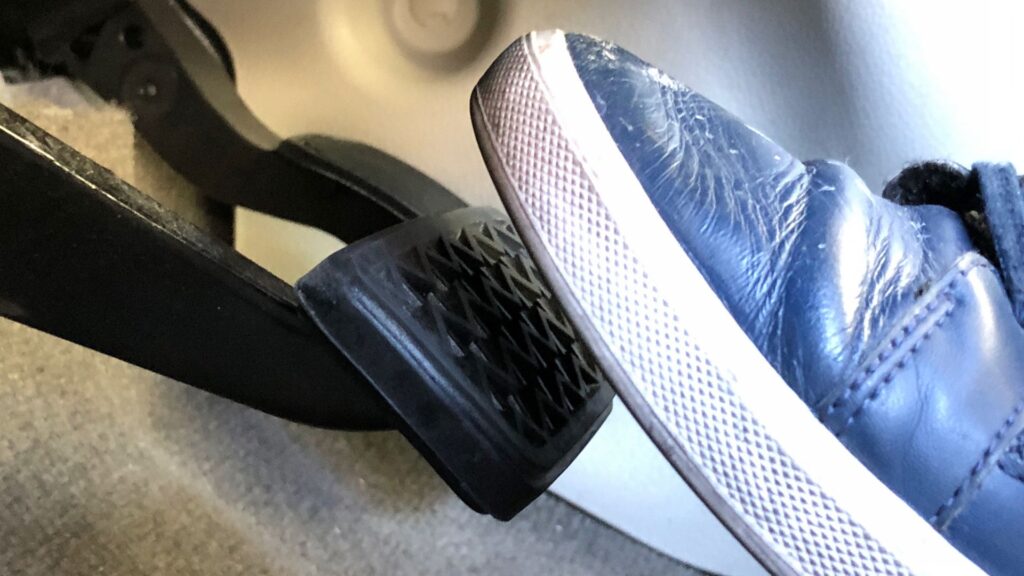
You press the brake pedal, and it sinks straight to the floor. Your heart probably sinks with it. That spongy, unresponsive feeling is one of the most unsettling things a driver can experience – and for good reason. Your brakes are the most critical safety system on your car, and when they stop responding normally, something has gone seriously wrong.
More often than not, the problem comes down to one sneaky villain: air in the brake lines.
How Your Brake System Actually Works
Your car’s braking system is a hydraulic brake system. That means it relies entirely on fluid pressure to function. When you press the pedal, the master cylinder pushes brake fluid through a series of lines to each wheel. That pressure activates the brake pads or drum brake shoes, which clamp down and slow the vehicle.
The key word here is pressure. Hydraulic fluid does not compress. That is what makes it so effective for brakes. When you push, the pressure transfers instantly and completely to every wheel.
Air, on the other hand, compresses easily. So when air sneaks into the brake lines, the pressure you generate with your foot gets absorbed by that air pocket instead of reaching the brakes. The pedal travels too far, feels soft, or goes straight to the floor.
Why Air Gets Into the Brake Lines
Air does not just wander in on its own. It usually gets in through a few common causes.
- Low brake fluid is the most frequent entry point. The reservoir that feeds your master cylinder has a minimum level. When fluid drops below that level – often because of a leak somewhere in the system – air fills the gap. A worn brake hose, a cracked cylinder, a bad grommet, or even a deteriorating wheel cylinder can all cause fluid to escape quietly before you even notice.
- Old or degraded brake fluid is another issue. Brake fluid absorbs moisture over time. That moisture lowers the fluid’s boiling point and can cause the fluid to vaporize under heat, especially during heavy braking. Vapor, like air, compresses – and the result feels identical to having air in the lines.
- Improper brake service is the third common cause. If a technician replaces a disc brake caliper or drum brake component and does not bleed the lines correctly afterward, air can get trapped in the system. It happens at quick-lube shops too – places like Jiffy Lube focus on fast oil changes, but brake work is a different level of precision. It requires proper bleeding, the right tools, and attention to detail.
What the Master Cylinder and Power Brakes Have to Do With It
The master cylinder sits at the heart of the entire system. It converts the force of your foot, amplified by the vacuum servo (also called the brake booster), into hydraulic pressure. The brake booster uses engine vacuum to multiply your pedal force, which is why power brakes feel so effortless compared to a vehicle without power assist.
If the master cylinder develops an internal leak or the piston inside wears out, it cannot build proper pressure even with perfect fluid. That feels similar to air in the lines. Diagnosing the difference requires a trained eye and the right equipment.
Symptoms That Air Is the Problem
Here is what to watch for beyond the pedal going to the floor:
- A spongy or soft pedal that firms up slightly after pumping
- The pedal slowly sinking under steady pressure
- Inconsistent braking performance, especially after stopping on a long downhill
- Visible brake fluid near a wheel or under the hood near the reservoir
The anti-lock braking system (ABS) can also trigger warning lights when fluid pressure is inconsistent. If your ABS light comes on alongside a soft pedal, do not ignore it.
Can You Drive With a Brake Pedal That Goes to the Floor?
No. This is not a “wait and see” situation. A vehicle with a failing hydraulic brake system can lose stopping ability entirely. If you are in Indianapolis and you notice this symptom, pull over safely and call for help. Do not try to limp it to the shop.
Getting It Fixed Properly
The repair process typically involves inspecting the entire brake system for leaks, checking the master cylinder and wheel cylinders, replacing any damaged components, refilling the reservoir with fresh fluid, and bleeding the system to remove all air.
Bleeding brakes is not complicated, but it has to be done right. Each wheel must be bled in the correct sequence, with enough fluid pushed through to clear every air pocket. Sediment in old fluid can clog lines and interfere with piston movement if it is not flushed out properly.
Your Brakes Deserve a Real Inspection
A spongy brake pedal is never just a minor annoyance. It is a warning that your hydraulic brake system is compromised – and it only gets worse if ignored. Schedule a brake inspection with the team at Grewal’s Automotive to get a clear diagnosis and honest repair estimate before it becomes a bigger problem. Call 317-886-7501 to set up your appointment.