
That grinding, squealing, or pulling sensation your car has been doing lately? It is easy to write it off as something minor. Maybe it is just dust on the rotors, or the brakes need a little time to warm up. But when those sounds and feelings keep coming back, your vehicle might be telling you something more serious is going on with the brake calipers.
Brake calipers are a critical part of your disc brake system, and when they start failing, the signs are hard to miss once you know what to look for. This guide breaks down the bad brake caliper symptoms you should never ignore, and what they actually mean for your safety on the road.
What Does a Brake Caliper Actually Do?
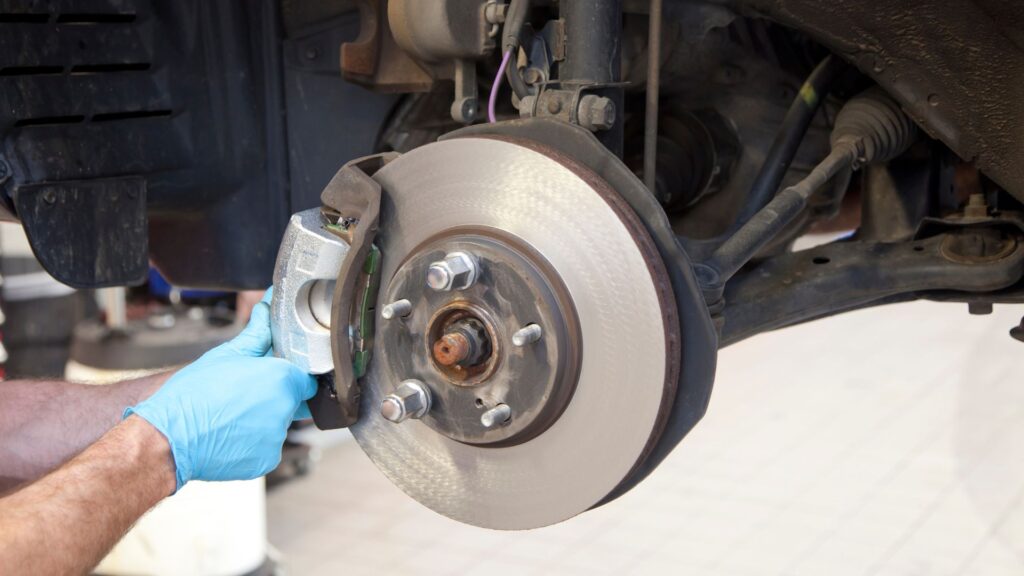
Before jumping into symptoms, it helps to understand what a caliper does. In a disc brake system, the caliper is the clamp-like component that houses the brake pads and the piston. When you press the brake pedal, hydraulic pressure from the brake fluid pushes the piston outward, which squeezes the brake pads against the rotor to create friction and slow the vehicle down.
When the caliper is not working properly, that entire process gets disrupted. The brake pads may not apply evenly, the piston can stick, or brake fluid can start to leak – none of which are good outcomes for a car moving at highway speed.
The Most Common Bad Brake Caliper Symptoms
1. A grinding or squealing noise while braking
This is usually the first thing drivers notice. A grinding noise when braking often points to worn brake pads, but if the pads look fine and the noise persists, a sticking caliper could be the real culprit. When the caliper fails to release fully, the brake pad stays in constant contact with the rotor, wearing down faster and creating that unmistakable grinding sound.
Squealing can also result from heat buildup caused by a caliper that will not retract properly. That excess friction generates more heat than the system is designed to handle, which can warp rotors and damage other brake components over time.
2. The car pulls to one side when braking
If your vehicle drifts left or right when you apply the brakes, a stuck or seized caliper is one of the most likely causes. When one caliper applies more pressure than the other, the braking force becomes uneven, and the car naturally pulls toward the side with more resistance.
This symptom affects your ability to control the vehicle and is a serious safety concern. It is not something to chalk up to road conditions or tire wear. If the pulling happens consistently when braking, have the calipers inspected right away.
3. A soft or spongy brake pedal
A healthy brake pedal should feel firm and responsive. If it feels soft, spongy, or sinks toward the floor with little resistance, there may be a brake fluid leak at the caliper. Calipers can develop leaks around the piston seal or at the brake hose connection, allowing air into the hydraulic system and reducing braking pressure.
Low brake fluid is never just a maintenance issue to top off and forget about. It signals a leak somewhere in the system, and a leaking caliper only gets worse with time.
4. Uneven brake pad wear
This one requires a visual check, but it is worth doing. If one brake pad is significantly more worn than the other on the same axle, the caliper on the worn side is likely sticking and applying constant pressure. Uneven wear accelerates the need for brake pad replacement and indicates the underlying caliper problem has not been addressed.
Ignoring uneven wear puts you at risk for metal-on-metal contact between the pad and rotor, which causes expensive damage quickly.
5. The Car Feels Sluggish or Drags
A dragging feeling, especially when accelerating, can be a symptom of a caliper that is not fully releasing after braking. The brake pad stays pressed against the rotor even when your foot is off the pedal. Beyond the safety concern, this constant drag hurts fuel efficiency because the engine is working harder to move a vehicle that is essentially braking against itself.
You might also notice the wheel or wheels near the stuck caliper running hotter than normal. That heat is a direct result of the ongoing friction from the pad pressing against the disc.
6. Visible Brake Fluid Leak
If you spot a wet, oily residue on the inside of a wheel or near the caliper housing, that is likely brake fluid. A caliper leak can develop from a damaged piston seal, a cracked caliper body, or a failing brake hose. Whatever the source, a leak means your braking system is losing hydraulic pressure.
Corrosion is often a contributing factor, especially on older vehicles. Over time, moisture and road debris attack the metal components of the caliper, leading to seal failure and eventual leaks.
7. A Burning Smell After Driving
A sharp, chemical burning smell after normal driving, especially combined with visible smoke near a wheel, usually points to a seized caliper. The constant friction between the brake pad and rotor generates so much heat that it can actually burn the brake pad material and heat the wheel hub area. If you ever experience this, it is worth pulling over safely and giving the vehicle time to cool before continuing.
Why Brake Caliper Problems Should Not Wait
Brake issues of any kind sit at the top of the priority list when it comes to vehicle safety. A caliper that sticks, leaks, or fails to apply correctly is not a “monitor it and see” situation. The longer a bad caliper operates, the more damage it causes to surrounding components – rotors, brake pads, hoses, and the wheel bearing in severe cases.
There is also the risk factor. Reduced braking ability in stop-and-go Indianapolis traffic or on the interstate is a genuine danger to you, your passengers, and everyone else on the road.
When to Get Your Brakes Checked in Indianapolis
If you are noticing any combination of these symptoms – grinding noises, pulling, a spongy pedal, dragging, or leaking fluid – it is time to have the brakes professionally inspected. Do not rely on guesswork with brake systems.
At Grewal’s Automotive in Indianapolis, the team handles complete brake inspections and repairs, covering everything from brake pads and rotors to calipers and hydraulic components. The technicians will tell you exactly what is going on, give you a clear estimate, and get the job done right.
What to Do About Bad Brake Caliper Symptoms
Bad brake caliper symptoms rarely fix themselves, and waiting only makes the problem more expensive and more dangerous. Whether it is a grinding noise, uneven wear, or a soft pedal, these are your vehicle’s way of asking for attention. If something feels off when you brake, trust that instinct.
Schedule a brake inspection with the team at Grewal’s Automotive, or call 317-886-7501 to book your appointment today.