
If you’ve ever felt that unsettling shudder through your steering wheel when slowing down, you already know something is off with your brakes. More often than not, that vibration points to warped brake rotors – and the question most drivers have is: how long should rotors actually last before that happens?
The honest answer is that it depends on a lot of factors. But let’s break it down so you know what to expect and when to take action.
What Are Brake Rotors and Why Do They Warp?
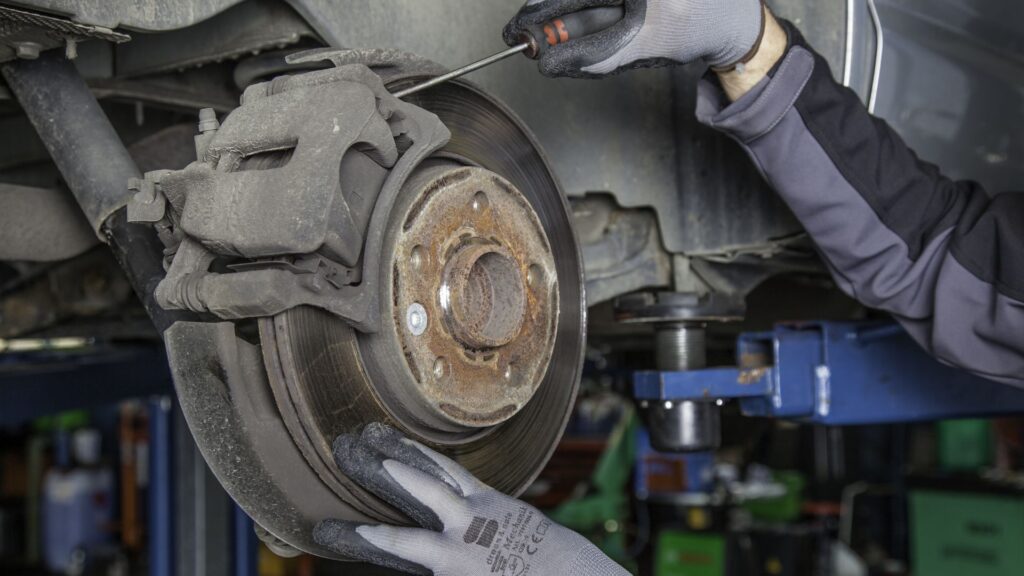
A disc brake system works by using brake pads to clamp down on a spinning rotor, creating the friction needed to slow your vehicle. That friction generates serious heat, and over time, repeated heating and cooling cycles can cause the rotor surface to warp or wear unevenly.
Warping does not always mean the rotor is physically bent. Sometimes it is uneven deposits of brake pad material baked onto the rotor surface. Either way, the result is the same – vibration, noise, and reduced stopping power.
How Long Do Brake Rotors Typically Last?
Most brake rotors are built to last somewhere between 50,000 and 70,000 miles under normal driving conditions. However, that range shifts significantly depending on how and where you drive.
Aggressive driving, frequent hard stops, and heavy loads put far more stress on the disc brake system than everyday commuting does. If you do a lot of towing, for example, your rotors will wear down much faster than average because of the added weight and heat buildup during braking.
Driving Habits That Shorten Rotor Life
- Towing or hauling heavy loads puts constant strain on the braking system and accelerates wear.
- Riding the brakes downhill keeps the rotors hot for extended periods, which speeds up warping.
- Frequent hard stops from highway speeds generate intense heat spikes that stress the rotor metal.
Vehicles like the Subaru WRX – known for performance driving – can go through rotors more quickly than standard cars simply because drivers tend to push them harder. Even a Subaru used for daily commuting may see faster rotor wear if the brake pads are not replaced on time, since worn pads transfer heat directly to the rotor.
Does Rust Affect How Long Rotors Last?
Yes, and this is something Indianapolis drivers should keep in mind given the seasonal weather changes. Surface rust is normal after rain or overnight moisture, and it typically clears off within a few stops. But heavy rust from long periods of inactivity can pit the rotor surface and accelerate wear.
If a car sits for weeks without driving, rust can become a real problem – not just cosmetic. A proper inspection can tell you whether the rust is superficial or has compromised the rotor enough to require replacement.
What About Vehicles With Regenerative Braking?
Electric and hybrid vehicles that use regenerative braking actually tend to extend rotor life significantly. Because the motor assists with slowing the car, the brake pads and rotors experience less friction and heat during normal driving. This is one mechanical advantage these vehicles have over traditional setups.
That said, regenerative braking systems still have conventional disc brakes as a backup, and those components still need routine maintenance and inspection.
Signs Your Rotors May Be Warping
Do not wait for a full shudder to get your brakes checked. Watch for these early warning signs:
- A pulsing or vibrating feeling in the brake pedal or steering wheel when slowing down
- Squealing or grinding noise during braking
- The vehicle pulling to one side when you apply the brakes
- Longer stopping distances than usual
Any of these symptoms mean it is time to have a mechanic take a look. An auto mechanic can measure rotor thickness and surface condition quickly during a brake or tire inspection.
How to Make Your Rotors Last Longer
Good habits go a long way. Avoid coming to a complete stop and then immediately accelerating again, since that deposits brake pad material unevenly on the rotor. Allow your brakes to cool after heavy use before stopping for extended periods. This is especially true after towing.
Replacing brake pads on schedule is also critical. Worn pads expose the metal backing to the rotor, causing rapid damage and noise that could have been avoided entirely.
How Long Do Brake Rotors Last in Real-World Driving?
Brake rotors typically last between 50,000 and 70,000 miles, but driving habits, heat, rust, and maintenance all play a role in how long yours will actually hold up. If you are noticing vibration, noise, or anything unusual when you brake, do not put it off.
Schedule a brake inspection with the team at Grewal’s Automotive and get a straight answer about what your vehicle actually needs. Call 317-886-7501 to set up an appointment today.