
Car Leaking Oil When Parked? Find the Cause and Fix It Fast
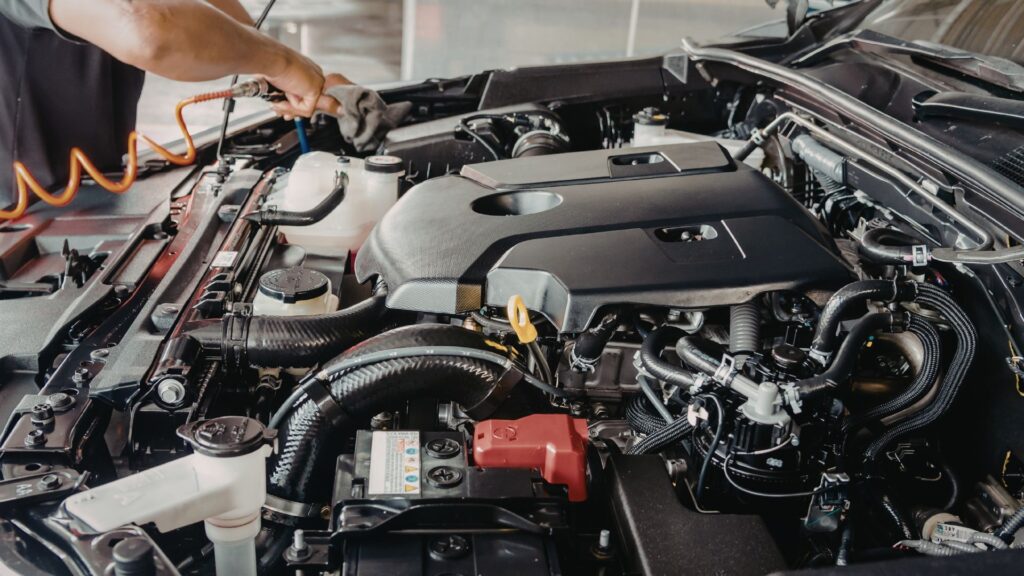
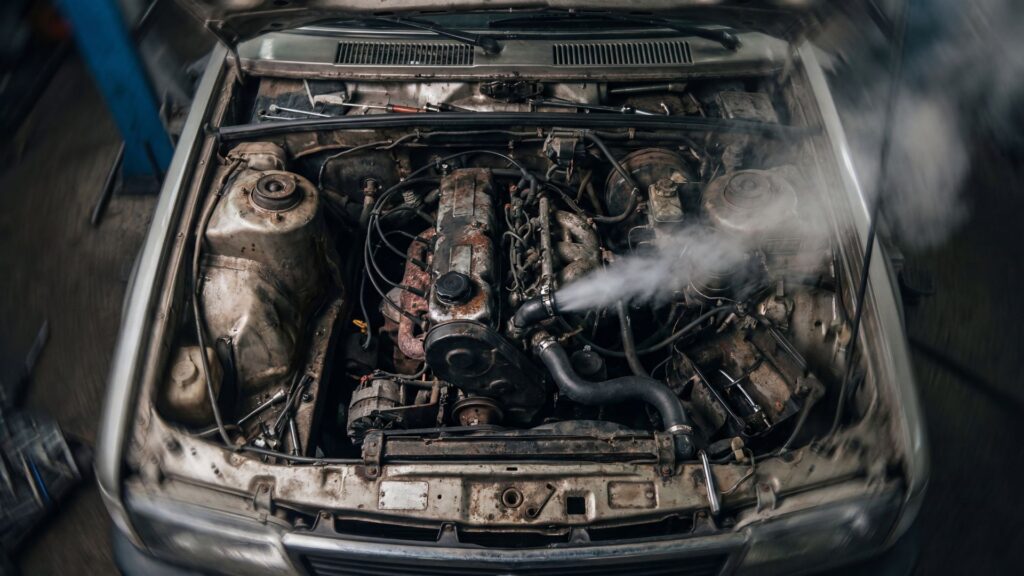
You step outside in the morning, head to your car, and there it is, a dark puddle under your vehicle. If you’ve noticed your car leaking oil when parked in your driveway, you’re not alone. It’s frustrating, especially when you depend on your vehicle daily. Let’s walk through the common causes of an oil leak and what steps you can take to diagnose and repair the issue. At Grewal’s Automotive, we help drivers in and around Indianapolis get back on the road safely and quickly. What Does It Mean When Your Car Is Leaking Oil? If your car is leaving an oil puddle behind, it means the engine oil is escaping from a seal, gasket, or part it’s not supposed to. This usually signals wear, damage, or improper installation of a component. Since oil is vital for lubricating the engine, allowing oil to leak, even in small amounts, can lead to serious engine problems. Worse, ignoring it can result in engine damage or even total engine failure. Is Really Oil? How to Confirm It’s Actually Oil Before jumping to conclusions, make sure it’s actually oil under your car. Here’s how to tell: Color: Engine oil tends to be brown or black, depending on how old it is. Texture: Oil has a slick, slippery texture. Odor: If you smell something burnt or rubbery near the puddle, it could be burning oil. Location: Oil will usually drip from the bottom of the engine or under the oil pan. Transmission fluid, brake fluid, or coolant can also leak, but they look and smell different. Confirming its engine oil helps narrow down the issue significantly. Common Causes of Oil Leaks Once you’ve confirmed it is oil, you’ll want to understand what’s causing the leak. Here are the most common causes of oil leaks when your car is parked: Worn or Damaged Gaskets The gaskets serve as seals between engine parts. Over time, they wear from heat, pressure, and age. Valve cover gasket: Located at the top of the engine, this gasket prevents oil from seeping out. If you see oil near the top of the engine, this may be the issue. Oil pan gasket: Located at the bottom of the engine, this is a common source of leaks. The oil pan gasket can degrade or crack due to debris or rough driving. Front and rear main seals: These seal the crankshaft on both ends. If they crack, oil can leak quickly. Loose or Faulty Oil Filter The oil filter keeps contaminants out of your engine oil, but if it’s not tightened properly or is damaged, it can lead to leaks. A loose oil filter or one that wasn’t replaced correctly during a recent oil change is a frequent cause. If your oil filter isn’t sealing properly, oil will leak. Damaged or Missing Drain Plug The oil drain plug at the bottom of the oil pan is removed during oil changes. A worn washer, loose bolt, or stripped threads can all cause oil leakage. Clogged Crankcase Ventilation System When the crankcase ventilation system is clogged, pressure builds up inside the engine. This can push oil past seals and gaskets, causing leaks. It’s one of the lesser-known issues, but one that a skilled mechanic can detect quickly. Failed Oil Cooler or Its Seal The oil cooler helps keep engine oil from overheating. If its seal breaks, oil can leak. Why Is the Car Leaking Oil When Parked? When your car is off, the oil settles back into the pan. If a gasket is deteriorating or a seal is faulty, the oil can leak while parked. This is often why the leak becomes noticeable only after your car is parked for a while. Sometimes, small cracks or issues don’t cause a leak while the engine is running due to oil pressure pushing oil back into the system. Once the car is stopped, the oil finds its way out through these weak points. What to Look for Under Your Car If you see oil spots or a puddle under your parked car, take note of its: Location: Is it under the center, the front, or directly beneath the oil pan? Size: A few drops may not seem like much, but small amounts of oil consistently dripping can lead to a larger issue. Timing: Do leaks appear only after long drives or at startup? Causes and Fixes: Diagnosing the Problem To diagnose and fix an oil leak, start by checking the following areas or consult a trusted mechanic: Step 1: Check Your Oil Level If you’re seeing oil but haven’t confirmed a leak, first check the oil level using the dipstick. If you’re low on oil and you’ve noticed a puddle, there’s a good chance your car is leaking oil. Step 2: Inspect Common Trouble Spots These areas are most likely to lead to leaks: Valve cover gasket Oil filter Oil pan gasket Drain plug Oil cooler seals Front and rear crankshaft seals Look for fresh drips, sticky residue, or wet spots. Step 3: Schedule an Inspection While you can do a visual inspection, leaks can also hide behind engine covers or drip only in specific positions. If you suspect a leak early, it’s best to consult a mechanic before it worsens. How to Fix an Oil Leak The fix depends on the cause. Some can be simple and done during routine maintenance, while others require professional attention. Here’s what a mechanic might do: Replace a worn gasket or seal Tighten or replace the oil drain plug Install a new oil filter Repair or replace the oil cooler Clean off engine oil that has splashed onto other parts (oil drips onto hot engine parts can create smoke or odor) If you’re unsure and want a professional to diagnose and repair the issue, check out the automotive repair services at Grewal’s Automotive. You’ll get an experienced team ready to handle everything, from a simple oil change to a full gasket replacement. Will Driving With an Oil Leak Damage
Car Leaking Oil When Parked? Find the Cause and Fix It Fast Read More »