
Oil leaks are one of the most common problems vehicle owners face, and they rarely fix themselves. What starts as a small drip can turn into serious engine damage if ignored. The good news? Most causes of oil leaks are preventable with consistent, smart maintenance.
If you have ever noticed oil spots on your driveway or a dark puddle under your car, you already know how stressful it feels. At Grewal’s Automotive in Indianapolis, IN, we help drivers understand why oil leaks can occur and, more importantly, how to avoid oil leaks before they start.
Let’s walk through practical, real-world ways to protect your engine and your money.
Why Oil Leaks Happen in the First Place
Your engine relies on proper lubrication to protect internal engine parts from wear and heat. Engine oil moves through tight spaces, lubricating components like the crankshaft, piston, piston ring, bearing surfaces, and valve seals.
But oil can leak when a seal hardens, a gasket fails, or pressure forces oil past a weak spot.
Common causes include:
- A worn valve cover gasket
- A failing oil pan gasket
- A loose drain plug
- A cracked oil filter
- Excessive oil pressure
- Normal wear in high-mileage engines
When oil leakage goes unchecked, it can affect engine performance, cause smoke from the exhaust system, and even lead to catastrophic failure. Nothing about that is cheap.
Now let’s talk prevention.
Stick to a Consistent Oil Change Schedule
Skipping an oil change is one of the easiest ways to invite a leak. Old motor oil breaks down under heat and pressure. As viscosity changes, it can cause seals to swell, shrink, or harden over time.
Fresh engine oil protects seals and gaskets and keeps the temperature stable. Make sure every service includes replacing the oil filter and checking the drain plug. Too much oil can also increase pressure and cause oil to leak past seals.
Following a proper maintenance schedule, like the scheduled preventative maintenance services offered by Grewal’s Automotive, is a simple way to avoid oil leaks long-term.
Check Your Oil Level Regularly
A low oil level can cause engine components to overheat. Heat increases expansion, and that stresses seals and gaskets. On the other hand, overfilling creates excess oil pressure that can push oil past a weak seal.
Checking your oil level once a month is quick and costs nothing. It is a small habit that prevents big problems.
Inspect the Valve Cover and Gaskets
The valve cover, sometimes called a rocker cover, sits on top of the engine and protects the valve train. A worn valve cover gasket is one of the most common causes of an engine oil leak.
If you smell burning oil or see oil leaking onto hot parts, it could be coming from this area. Replacing a gasket is far easier than repairing internal engine damage later.
Pay Attention to the Oil Pan
At the bottom of the engine is the oil pan, part of the wet sump system that stores oil before it circulates again. The oil pan gasket creates proper sealing where the pan meets the engine block.
A loose bolt or damaged oil pan gasket can cause a steady drip. If your parking spot repeatedly shows oil spots, this is a place to start. A technician can diagnose whether the pan or drain plug needs to be tightened or replaced.
Replace Worn Seals Before They Fail
Seals around the crankshaft, rear main seal, and timing cover are exposed to constant motion and heat. Over time, they wear out.
If oil leaks onto the transmission housing area, a gasket leak at the rear main seal may be the cause. Fixes might seem expensive, but ignoring them increases the risk of major engine damage and bearing wear.
Some drivers ask about additives like AT-205 stop leak products. While a bottle may temporarily soften a hardened seal, it is not a long-term substitute for proper repair at a trusted automobile repair shop.
Use the Right Type of Oil
Always use the right type of oil recommended for your vehicle. Motor oil with the wrong viscosity may not flow correctly at certain temperature ranges. Modern vehicles are engineered with specific pressure tolerances. Using incorrect oil can cause oil leaks or increase leakage around valve seals and piston rings.
If you are unsure, a professional mechanic can guide you. Grewal’s Automotive provides clear recommendations without confusing jargon.
Watch for Early Warning Signs
If you suspect your car is leaking oil, do not wait. Signs include:
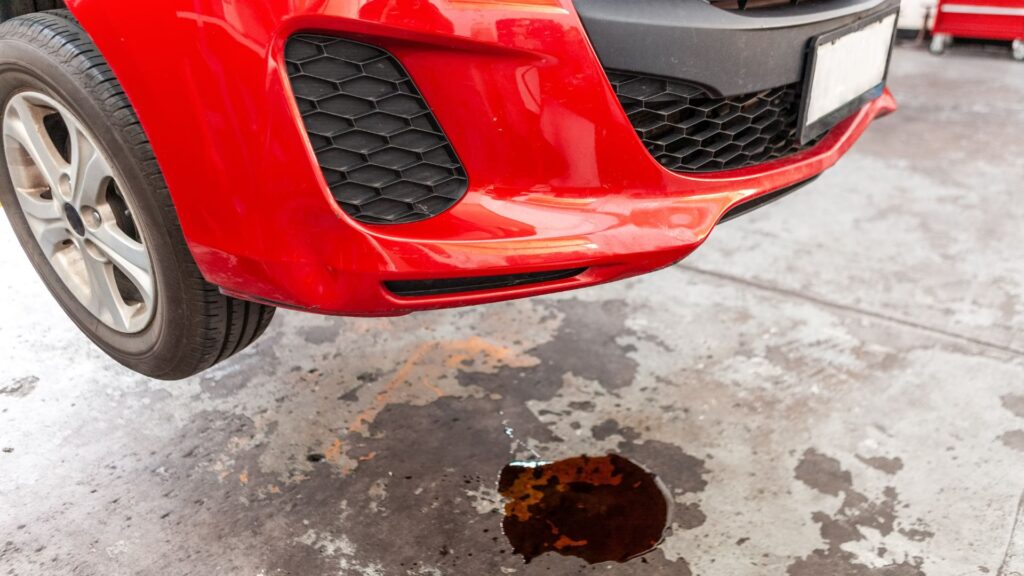
- A dark puddle under your driveway
- Burning smell or smoke
- Drops form after the oil has drained.
- Oil leaking near the filler cap or oil filler cap
If you are unsure what you are seeing, this guide on why your car is leaking oil when parked explains what to look for. Catching a leak early is the best way to avoid oil leaks turning into serious issues.
Keep Up With Routine Inspections
Routine inspections help spot corrosion, faulty gaskets, and weakened seals before they fail. High-mileage engines especially benefit from closer monitoring.
Service centers like Grewal’s Automotive perform thorough checks during maintenance appointments. That includes examining:
- The oil filter and filter housing
- Valve seals
- The oil pan and drain plug
- Areas where fluid might leak onto other components
These checks protect proper lubrication and reduce long-term wear.
Do Not Ignore Exhaust or Cooling System Issues
Sometimes oil leaks can occur because of bigger problems. Excess pressure inside the engine or issues within the cooling system can force oil past seals.
If oil leaks are bad enough, you may notice smoke from the exhaust system. This could signal internal engine problems affecting piston rings or even a gas cylinder.
If that happens, seeking professional help promptly can prevent expensive damage. Grewal’s Automotive offers professional engine repair services to address deeper concerns.
Choose an Experienced Automotive Partner
Proper sealing, proper torque, and careful inspection matter. Working with a trusted auto mechanic ensures every detail is checked, including tightening components correctly and ensuring oil drains fully before replacing the plug. Small details prevent oil leakage later.
If something feels off, comprehensive inspections and comprehensive auto repair solutions are available. You can explore their complete automotive service options to stay ahead of problems.
Final Thoughts on Preventing Oil Leaks
Preventing an oil leak is far easier and less expensive than fixing catastrophic engine damage.
A few smart habits like checking your oil level, following your maintenance schedule, and addressing small leaks immediately can protect your engine for years. If you notice oil spots, a drip, or signs of leaking oil, do not ignore them. The team at Grewal’s Automotive in Indianapolis, IN, is here to diagnose issues accurately and help you avoid costly repairs before they happen. Schedule your next inspection and protect your vehicle today.