
If your car suddenly jolts or clunks when moving from second to third gear, you already know something feels off. That rough shift is not just annoying – it is your vehicle trying to tell you something. Understanding why it happens can save you from a much bigger repair bill down the road.
What Hard Shifting Actually Means
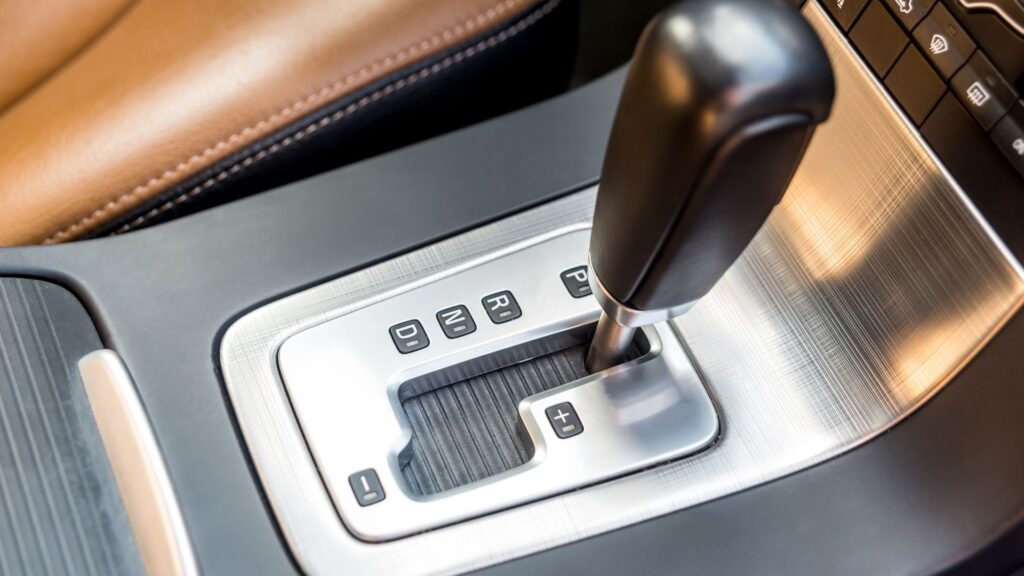
Hard shifting refers to a noticeable jolt, hesitation, or thud when your automatic transmission moves between gears. Unlike a manual transmission, where you control each shift manually, an automatic transmission is supposed to change gears smoothly and almost invisibly. When it does not, there is usually an underlying mechanical or fluid-related cause worth investigating.
The shift between second and third gear is one of the most commonly reported problem zones. It puts a specific demand on the transmission’s internal components, and even small issues tend to show up right there.
Common Reasons Your Transmission Shifts Hard Between 2nd and 3rd
Low or Dirty Transmission Fluid
This is the most frequent culprit. Transmission fluid is a hydraulic fluid that powers the internal clutch packs and keeps everything lubricated. When the fluid level is low – often due to a leak – or when the fluid has broken down and turned dark and burnt-smelling, the transmission cannot generate the pressure it needs to shift cleanly.
Many drivers forget that transmission fluid, much like motor oil, needs to be checked and changed on a schedule. Neglecting it leads to premature wear on some very expensive internal parts.
Throttle Position Sensor Problems
Your vehicle’s throttle position sensor tells the transmission how hard the engine is working and how fast you are accelerating. If this sensor sends incorrect data, the transmission may shift too early, too late, or too aggressively. A faulty throttle signal is a surprisingly common cause of hard 2-3 shifts that many drivers overlook.
Auto mechanics who specialize in transmission diagnostics will typically scan for sensor fault codes early in the inspection process.
Worn Clutch Packs or Solenoids
Inside an automatic transmission, there are clutch packs that engage and release during each gear change. There are also shift solenoids – small electrically-controlled valves that direct fluid to the right place at the right time. If either of these components wears out or sticks, the shift between second and third can feel like a punch.
Technicians at shops familiar with vehicles from brands like Honda and Ford Motor Company understand how differently each transmission is designed internally, which is why proper diagnosis matters so much.
Software and Transmission Control Module Issues
Modern vehicles rely on a transmission control module (TCM) to manage shift timing and pressure. Sometimes this module simply needs a software update – something that has become increasingly common in late-model cars. Proper diagnosis is still necessary.
If a software update or TCM reset fixes the issue, you got lucky. If not, deeper mechanical inspection is next.
Why You Should Not Ignore It
A hard shift might seem like just an inconvenience, but it places real stress on the transmission’s internal components every time it happens. Continuing to drive with a known issue can turn a relatively straightforward fluid service or solenoid replacement into a full transmission rebuild.
There is also a safety concern worth taking seriously. Hard, unpredictable shifts can affect your ability to control the vehicle smoothly in traffic – especially during acceleration. In a worst-case scenario, sudden lurching can create a risk of injury or contribute to an accident.
Beyond personal safety, ignoring the problem can affect your vehicle’s warranty coverage. If you have a newer car and the issue is left unaddressed, you could find yourself in a complicated situation with the dealer regarding implied warranty protections.
What a Proper Diagnosis Looks Like
A qualified auto mechanic will not guess. The process typically starts with an OBD-II scan to pull any stored fault codes, followed by a fluid inspection. From there, they may perform a hydraulic pressure test to evaluate how the transmission is responding internally. This job requires the right tools and training, so it is not a quick DIY repair.
Shops that specialize in transmission repair treat the transmission as the precision machine it is, not as a black box to be replaced wholesale without investigation.
How to Prevent Hard Shifting in the Future
Staying ahead of transmission problems is simpler than most people think. Change your transmission fluid according to your manufacturer’s schedule, address leaks early before they cause low fluid pressure, and pay attention when your vehicle starts shifting differently than it used to. Small changes in shift feel are worth mentioning at your next service appointment.
Get Hard Shifting Diagnosed Before It Worsens
Hard shifting between second and third gear is a warning your automatic transmission is giving you – and it deserves a real answer, not guesswork. Whether it is a fluid issue, a faulty sensor, or worn internal components, catching it early makes all the difference.
The team at Grewal’s Automotive in Indianapolis is experienced in diagnosing exactly these kinds of transmission problems. Call 317-886-7501 or learn more about transmission repair services to get your vehicle shifting smoothly again.