
That metallic scraping sound every time you slow down is not something to ignore. If your brakes are grinding when stopping, your vehicle is telling you something important – and it usually means your brake pads have worn down to nothing.
This is one of the most common brake problems drivers deal with, and it tends to catch people off guard. You might have been putting off that inspection, or maybe the noise just crept up on you. Either way, understanding what is happening under your wheels can help you make a smart, fast decision.
What That Grinding Sound Actually Means
When brake pads wear out completely, the metal backing plate behind the pad makes direct contact with your brake rotor. That metal-on-metal contact is exactly what you are hearing. It is not just annoying – it is actively damaging your braking system every time you press the pedal.
Brake pads are designed to wear down gradually over time. They act as a buffer between the caliper and the rotor. Once that buffer is gone, you lose smooth, controlled stopping power, and you start grinding away at parts that are much more expensive to replace.
Why Ignoring It Makes Things Worse
The longer you drive on worn pads, the more damage spreads to your rotors. Rotors are large metal discs that your brake pads clamp down on to slow your vehicle. Once a rotor gets scored or warped from grinding contact, it often needs to be resurfaced or replaced entirely – adding significant cost to what could have been a simple pad replacement.
In the worst cases, driving on dead brake pads can compromise your ability to stop at all. That is not a risk worth taking, especially in stop-and-go Indianapolis traffic.
Common Causes of Brake Grinding
Not every grinding sound means your pads are completely gone, though that is the most common reason. Here are a few other causes worth knowing about.
- Worn-down brake pads are the most likely culprit. Most pads include a small metal wear indicator that creates a high-pitched squealing sound when pads get low. If you skipped that warning, the next stage is the grinding you are hearing now.
- Debris caught in the caliper or rotor can also cause grinding. A small rock or piece of road debris can lodge itself between the pad and rotor. This type of grinding often sounds inconsistent and may go away on its own, but it should still be checked.
- Rust on the rotors can cause a brief grinding or scraping sound, especially after a vehicle has been sitting overnight or through wet weather. This is usually harmless and clears up after a few stops. If it does not clear up quickly, it needs attention.
- Low-quality or mismatched brake parts can cause grinding even when pads are still present. This is why using the right parts for your specific vehicle matters.
How to Tell If It Is Really Your Brake Pads
The location and consistency of the grinding can give you useful clues. If the grinding only happens when you apply the brakes and stops when you release the pedal, that points strongly to brake pad or rotor contact. If the grinding happens while driving without braking, the issue could be something else entirely – like a wheel bearing.
Pay attention to how your vehicle feels during stops. Vibration through the brake pedal, pulling to one side, or a spongy feel in the pedal can all indicate brake system problems that go beyond just worn pads.
Warning Signs to Watch For
- Grinding or scraping noise when stopping
- Squealing before the grinding started (that was the wear indicator)
- Longer stopping distances than usual
- Vibration or pulsing through the brake pedal
- Vehicle pulling to one side when braking
- Burning smell after driving in heavy traffic
If any of these are familiar, your brakes need to be looked at right away.
What Happens During a Brake Inspection
A proper brake inspection involves more than just glancing at the pads. A technician will measure the thickness of your brake pads and check the rotors for scoring, warping, and minimum thickness specs. They will also inspect the brake calipers to make sure they are releasing properly and not causing uneven wear.
The brake lines and brake fluid condition are also part of a thorough inspection. Old or contaminated brake fluid can reduce stopping performance even when pads and rotors are in good shape.
At Grewal’s Automotive in Indianapolis, every brake inspection is explained clearly before any work is done. You get a full picture of what is worn, what is fine, and what needs immediate attention – with an upfront estimate so there are no surprises.
What a Brake Pad Replacement Involves
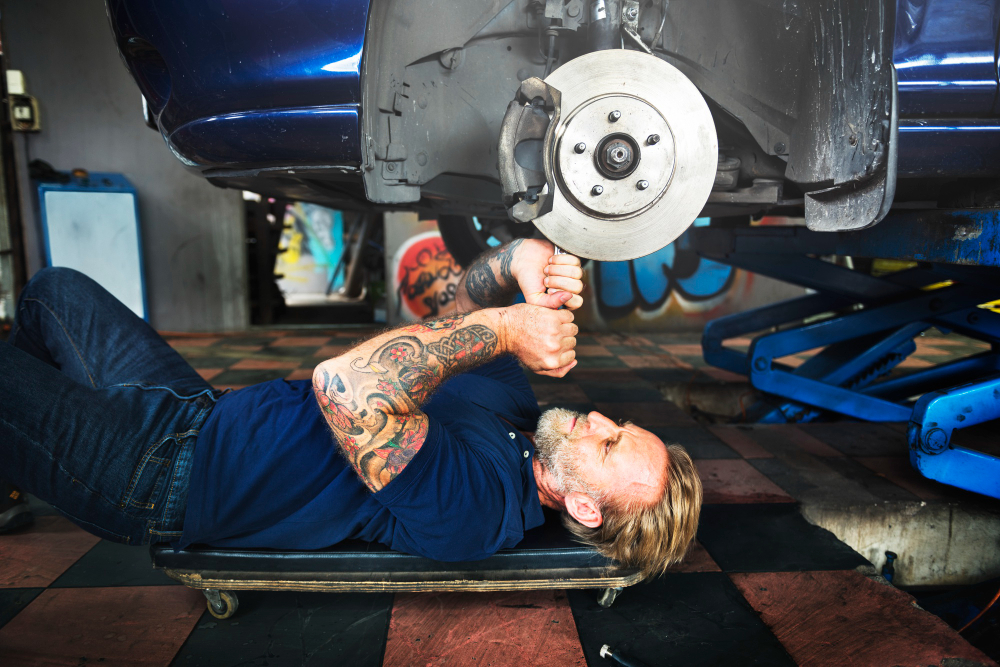
Replacing brake pads is a straightforward repair when caught in time. A technician removes the wheel and caliper, slides out the old pads, and installs new ones. The rotor surface is inspected and cleaned, or replaced if it has been damaged by grinding contact.
If your rotors are still within spec, you may be able to get away with just replacing the pads. If they have been scored or worn thin from metal-on-metal grinding, resurfacing or full rotor replacement will be recommended. This is why acting quickly when you first hear grinding can save you real money.
How Long Do Brake Pads Last?
Most brake pads last between 30,000 and 70,000 miles, depending on driving habits, vehicle type, and pad material. City driving with frequent stops wears pads down faster than highway driving. Heavier vehicles also put more stress on braking components.
Getting your brakes inspected every 12,000 miles or at each oil change interval is a good habit that can prevent you from ever reaching the grinding stage.
Can You Drive With Grinding Brakes?
Technically, yes – but you should not. Driving on brakes that are grinding is unsafe, and every mile you put on them worsens the damage. What starts as a pad replacement can turn into a full rotor replacement, caliper damage, and a much higher repair bill.
If you are hearing grinding and cannot get your vehicle in immediately, drive cautiously, leave extra stopping distance, and avoid highway speeds. Get it to a shop as soon as possible.
Indianapolis roads, like any city streets, demand reliable braking. Unexpected stops happen. You want to know your vehicle will respond when it needs to.
Why Brake Work Needs to Be Done Right
Brakes are not an area where cutting corners makes sense. Cheap brake pads can wear unevenly, overheat faster, and fail to meet your vehicle’s braking specifications. Using the correct parts for your specific make and model is essential.
The technicians at Grewal’s Automotive are trained to work on both modern and older vehicles, using the right components every time. Brake jobs are done the first time properly, with no guesswork.
Frequently Asked Questions
How serious is brake grinding?
Very serious. Metal-on-metal contact means your pads are gone and your rotors are being damaged. The longer you wait, the more expensive the repair becomes.
Can I replace just the brake pads if my brakes are grinding?
It depends on rotor condition. If grinding has been happening for a while, your rotors may also need resurfacing or replacement. A proper inspection will determine what is needed.
Why do my brakes grind only in the morning?
A brief grinding sound when you first start driving – especially after rain – is often surface rust on the rotors. It typically clears up after a few stops. If it persists or happens regularly throughout the day, get it inspected.
How much does a brake pad replacement cost?
Cost varies depending on vehicle type, pad material, and whether rotors need attention. Getting a specific estimate from a trusted shop is the best way to know what to expect for your vehicle.
Is brake grinding an emergency?
Yes, it should be treated as one. Do not delay having grinding brakes inspected. Stopping distance can be significantly affected, which puts you and others at risk.
What to Do When Your Brakes Are Grinding
Grinding brakes are a clear signal that your vehicle needs attention now – not next week. The good news is that catching it early usually keeps the repair straightforward and affordable. If you are hearing that metal-on-metal scrape every time you slow down, schedule a brake inspection before the damage spreads.
The team at Grewal’s Automotive in Indianapolis is ready to take a look and give you an honest assessment. Call 317-886-7501 or book your brake service today.