
Having trouble with your vehicle’s performance can be frustrating, especially when the warning signs are subtle. If you’re noticing something off every time you turn the key or start to idle at a stoplight, you may be dealing with a bad ignition coil.
Here in Indianapolis, IN, Grewal’s Automotive is your local partner in getting to the bottom of these issues before they lead to costly repairs.
Many drivers don’t realize how vital ignition coils are until their car runs fine one day and suddenly starts acting up the next. Let’s walk through what these components do, what bad ignition coil symptoms look like, and how to address ignition coil problems before they lead to engine damage or other expensive headaches.
What Does an Ignition Coil Do?
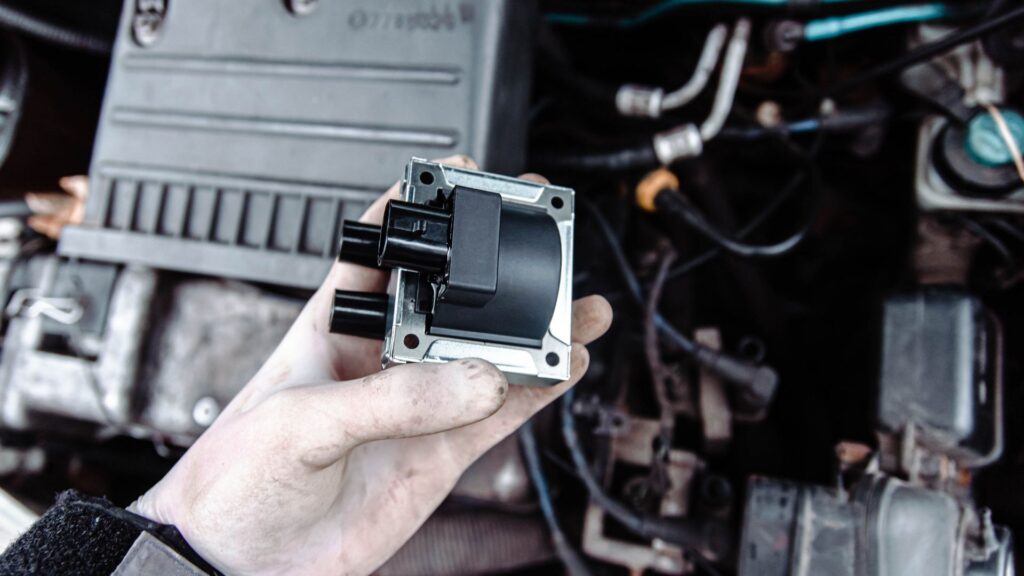
An ignition coil is essential to the ignition system. It takes the low voltage from your car’s battery and transforms it into the high voltage needed to create a spark at the spark plug. This spark ignites the air-fuel mixture in your engine’s combustion chamber, powering your vehicle.
Most modern vehicles either have a single ignition coil or use a system called coil-on-plug, where each spark plug has its own dedicated ignition coil.
When a coil goes bad, the spark plugs don’t get the voltage they need. This can cause issues that range from a misfiring engine to poor fuel economy.
Common Ignition Coil Problems and Why They Happen
The coils in your vehicle are constantly exposed to heat, vibration, and moisture. Over time, this leads to wear and tear, which can cause ignition coils to go bad. In Indianapolis, IN, where weather shifts can be dramatic, coil failure is a common issue.
Potential Causes of Ignition Coil Failure
- Engine heat leading to broken or cracked coil casing
- Oil or moisture leaks into the ignition system
- Corrosion at the coil terminals or electrical connector
- Worn spark plugs causing the coil to work harder
- Age-related wear to rubber insulation or internal windings
How Coils Fail
Ignition coils fail when their insulation breaks down or when electrical resistance and conductance are disrupted, often from overheating or carbon buildup. Increased voltage demands more current flow through the primary circuit, and this increased demand can overload the primary transistor, leading to eventual coil failure.
Signs of a Bad Ignition Coil
So how can you tell if your ignition coil is causing problems? While some symptoms can overlap with other issues, there are several key signs of a bad coil you should never ignore.
Your Vehicle Has a Rough Idle
A noticeable rough ride while idling can be one of the earliest indications. If your car coughs or vibrates at red lights, essentially, your vehicle will cough and splutter regularly. This could mean the coils aren’t creating a spark consistently.
Difficulty Starting Your Engine
A faulty ignition coil can cause hard start problems. Since the coil ignites the air-fuel mixture, your car may crank but not start if the coil is bad.
Engine Misfires and Loss of Power
When a spark plug isn’t receiving the appropriate amount of voltage from the ignition coil, it may result in a misfiring engine. This happens more frequently under stress, like driving uphill or when accelerating quickly.
You may also experience:
- Engine suddenly hesitating
- A noticeable lack of power
- Frequent misfire, especially in one cylinder
Illuminated Check Engine Light
If your check engine light turns on, it could be picking up ignition coil failure via your vehicle’s on-board diagnostics system. A code reader tool, or a visit to Grewal’s Automotive, can pinpoint the precise fault.
Poor Fuel Efficiency and Increased Emissions
Misfires caused by a failing ignition coil lead to unburned fuel being pushed into the exhaust system. This impacts fuel economy in automobiles and risks damaging vital parts like the catalytic converter.
Look out for:
- Decreased miles per gallon
- Strong fuel smells from the exhaust
- More frequent fuel fill-ups
Backfire or Popping from the Exhaust
Backfires happen when unburned fuel ignites in the exhaust system. Ignition coil problems can cause just that. A popping noise and visible smoke from the tailpipe are clear red flags.
Smell of Burning Oil or Electrical Components
Overheating ignition coils may emit a burnt rubber or oil smell. Damaged coils, especially with cracked insulation, can arc and cause small fires or melted plastic.
Summary of Bad Ignition Coil Symptoms
Here’s a quick overview of the most common symptoms of a bad ignition coil:
Symptom | Cause
|
|---|---|
Rough engine idle | Intermittent voltage from coil |
Engine misfire or hesitation | Spark plugs not receiving energy |
Hard start | No spark due to coil failure |
Check engine light | Coil issue detected by onboard diagnostics |
Backfire | Unburned fuel entering exhaust system |
Decrease in fuel efficiency | Weak combustion cycle |
Burning smell | Coil or nearby wiring overheating |
Why One Bad Coil Can Cause Bigger Issues
The ignition system is interconnected. One coil can cause issues beyond a single cylinder. If one coil fails, it may force the car’s electronic ignition to compensate, leading to performance issues or even damage to the engine.
When spark plugs or coils fail, they can:
- Disrupt the air-fuel ratio
- Harm the catalytic converter
- Cause lingering exhaust gas issues
- Damage the electrical wiring
Prolonged issues can mean expensive fixes like engine swaps or total ignition coil replacement.
How to Diagnose Ignition Coil Failures
If you suspect coil problems, here’s how mechanics, including our experts at Grewal’s Automotive, typically test for issues.
Visual Inspection
Auto mechanics will first inspect the coil at the top of the engine for signs of wear, leaks, corrosion, or cracking.
On-Board Diagnostic Code Reading
The check engine light or illuminated warning can be helpful. Reading the OBD codes will narrow down whether a misfire is related to ignition coil failure.
Multimeter Testing
Using a multimeter, mechanics can check the voltage and resistance of a suspect coil.
Measurements that fall outside the original equipment manufacturer’s specifications can confirm a faulty ignition coil.
Can You Drive with a Bad Coil?
Yes, but you really shouldn’t. Even if the engine started and the car ran fine for a little while, one failing ignition coil could trigger a chain reaction. Driving too long can lead to:
- Engine knocking or pinging
- Overheating due to incomplete combustion
- Catalytic converter damage from unburned fuel
- Higher repair bills
If your engine shows any of these symptoms, it’s better to play it safe and get a professional opinion before the situation worsens.
When to Consider Ignition Coil Replacement
If a single coil is faulty, sometimes replacing just that one makes sense. But if you’ve experienced repeated coil failures, it may be more cost-effective to replace all coils, especially in high-mileage vehicles. Coil-on-plug systems typically recommend this approach.
During ignition coil replacement, spark plugs and plug wires are often inspected too. Inefficiency in any part of this system affects overall performance.
Bad Ignition Coil Symptoms Depend on Your Vehicle
Not all cars react the same way. A Chevy, for instance, might recover from a single ignition coil issue differently than a plug-in hybrid. But across all models, symptoms of a bad ignition coil should never be ignored.
Here’s how your car might respond:
- Older vehicles: More likely to experience stalling and hard starts
- Modern vehicles with coil-on-plug designs: May isolate cylinder misfires better but still suffer fuel inefficiency
- Hybrids or performance engines: More sensitive to minor coil issues, leading to noticeable lack of power
Regular Maintenance Prevents Ignition Coil Failure
As always, regular maintenance is key. Inspecting your ignition system annually and swapping out old spark plugs reduces stress on the coils. This not only helps prolong their life but also helps your car maintain proper combustion and efficiency.
If you’ve noticed any of the symptoms discussed or you just want peace of mind, Grewal’s Automotive is here to help with trusted automotive repair services.
Conclusion: Don’t Ignore the Early Warning Signs
Spotting bad ignition coil symptoms early can help you avoid expensive repairs and keep your vehicle performing at its best. While it’s easy to dismiss a flickering check engine light or a bit of a rough ride as nothing major, these are often signs of a faulty ignition coil on its way out.
Whether your engine suddenly stalled on the way to work or you just heard an odd backfire in your driveway, now is the time to act.
If you’re unsure whether your coil is the problem, reach out to the professionals at Grewal’s Automotive. We’ll help you get your ignition system back on track and prevent further damage.
Don’t let a small spark become a big fire. Schedule your checkup today.