
When your vehicle doesn’t perform the way it used to, the culprit might be something as small as a spark plug. These tiny parts play a big role in the engine’s performance, and when they go bad, they bring noticeable changes.
At Grewal’s Automotive in Indianapolis, we’re here to help you understand what bad spark plug symptoms look like, so you can take action before your vehicle develops more serious issues.
How Do Spark Plugs Work?
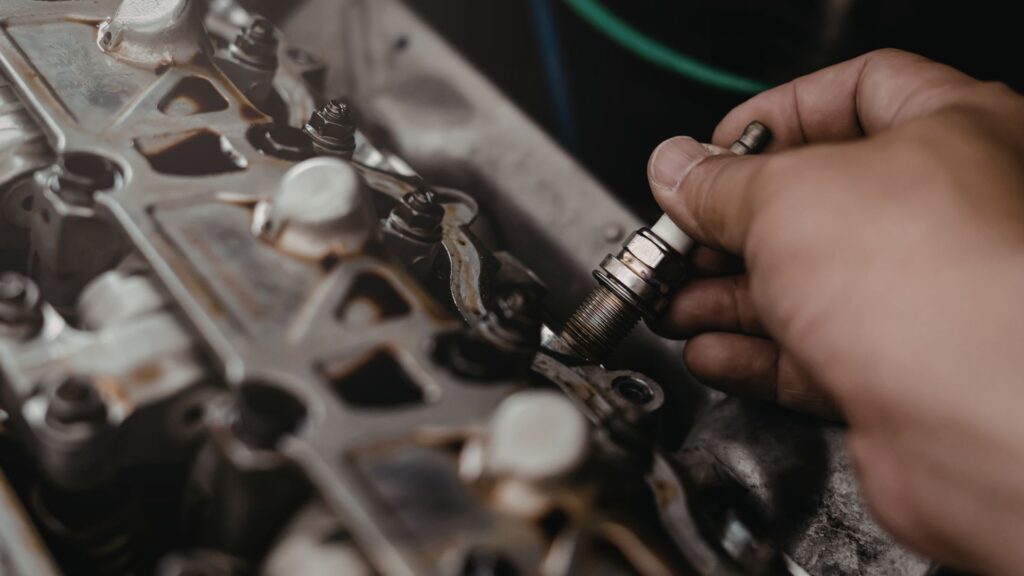
Spark plugs are essential components of your vehicle’s ignition system. They ignite the fuel-air mixture in the combustion chamber, which powers the engine. Each plug must deliver a timely spark hundreds of times per minute. If just one spark plug fails, it can affect overall engine performance, reduce fuel economy, and cause engine misfires.
The electrode at the tip of the spark plug creates the electric arc that ignites the mixture. When plugs wear out, become dirty, or foul due to oil or carbon buildup, they can no longer consistently ignite the fuel efficiently.
Common Symptoms of Bad Spark Plugs
If your spark plugs are acting up, you’ll likely notice changes in how your vehicle performs.
Recognizing these warning signs of bad spark plugs can help you avoid more expensive repairs down the road.
Engine Misfires and Rough Idle
One of the clearest symptoms of bad spark plug issues is engine misfiring. You may feel the vehicle shaking slightly or hear a “ping” or knocking sound when idling. A rough idle often means that combustion is incomplete, typically from a fouled or worn plug.
Bad spark plugs can cause unburned fuel to enter the exhaust system, which may lead to damage to your catalytic converter over time.
Lack of Acceleration and Poor Performance
When spark plugs fail, they reduce the spark strength essential for complete combustion. This leads to a noticeable lack of acceleration, especially when climbing hills or merging onto highways.
Your engine may feel sluggish or slow to respond, which can be dangerous in certain driving conditions.
Check Engine Light
If faulty spark plugs disrupt the ignition process, it can trigger the check engine light. The vehicle’s on-board diagnostics (OBD) system may detect a misfire or bad ignition timing and alert you. While it could signal other engine problems, spark plug problems are a common cause worth checking first.
Fuel Economy Drops
Failing spark plugs can also decrease your fuel economy in automobiles. If combustion is incomplete, your engine may compensate by using more fuel. This results in reduced gas mileage and might cause more frequent trips to the gas station. Over time, dirty spark plugs can also lead to carbon buildup inside the combustion chamber, further reducing performance.
Black or Unusual Exhaust Smoke
If combustion is poor, you may notice black smoke or excessive exhaust smoke from the tailpipe. When spark plugs fail to ignite the fuel-air mixture properly, it can lead to foul exhaust gases being emitted. This also stirs up concerns with your oxygen sensor and vehicle emissions control systems.
Other Warning Signs to Watch For
- Low torque or sluggish performance during takeoff
- Poor fuel efficiency due to incomplete combustion
- Knocking noises inside the engine are caused by erratic firing
- Clogged plug wires or damaged ignition coils are affecting spark delivery
- Carbon buildup or oil deposits point to a fouled spark plug
- Dead battery symptoms include the spark not igniting during startup
If you’re noticing any of these symptoms, your spark plugs may need replacement.
Why Timely Spark Plug Replacement Matters
Over time, spark plugs wear down, and continuing to drive with failing spark plugs can damage your engine. The electrode gap may widen, causing weak sparks or no spark at all. Left unchecked, this strain can hurt your catalytic converter or ignition coils.
Fresh spark plugs restore ignition performance, improve combustion efficiency, and help protect parts like the piston, oxygen sensor, and exhaust gas systems. Choosing the right type and gap ensures your spark plugs work correctly and extend the life of your engine.
How to Diagnose Spark Plug Issues
Diagnosing spark plug issues can be tricky if you’re unfamiliar with your ignition system. A technician can check for:
- Foul or dirty spark plugs
- Carbon buildup on electrodes
- Oil or fuel saturation indicates engine problems
- Misfire codes from on-board diagnostics
At Grewal’s Automotive, our skilled technicians in Indianapolis use advanced tools to pinpoint spark plug problems accurately. Unsure whether you need new spark plugs? Bring your car in for an expert inspection.
We also recommend regular maintenance from our automotive repair services to avoid unexpected issues.
When to Replace Your Spark Plugs
While your manufacturer’s manual offers guidance on when spark plugs need replacement, common indicators include:
- Reduced gas mileage or poor fuel economy
- Inconsistent ignition or trouble starting
- Increasing engine misfires
- Visible wear or damage on the plug becomes apparent
If you drive a reliable Chevrolet or similar model, staying ahead of maintenance makes all the difference. Regular replacement keeps your car running smoothly and prevents larger engine problems from developing.
Conclusion: Don’t Ignore the Signs of a Bad Plug
Bad spark plug symptoms are your engine’s way of asking for help. From rough idle to exhaust smoke, the signs are often right in front of us. If any of these red flags sound familiar, don’t wait to address them. Letting spark plug issues linger can lead to more serious and costly repairs later on.
Need a professional to help diagnose problems or replace your spark plugs? Contact the friendly team at Grewal’s Automotive in Indianapolis. Our experienced mechanics will check your ignition system, coil, and plug wires to get your vehicle performing at its best again.
Your car deserves a timely spark, and so do you.