

Your automatic transmission is one of the hardest-working mechanical devices in your vehicle. It manages torque, shifts gears, and keeps everything running in sync between your engine and your wheels. When something goes wrong, the warning signs rarely disappear on their own.
Here is what you should never ignore.
Your Transmission Is Trying to Tell You Something
Most drivers assume a strange noise or a rough shift is just “how the car drives now.” That assumption is expensive. Transmission failure does not happen overnight – it builds slowly, and catching it early is the difference between a minor fix and a major rebuild.
Delayed or Rough Gear Changes
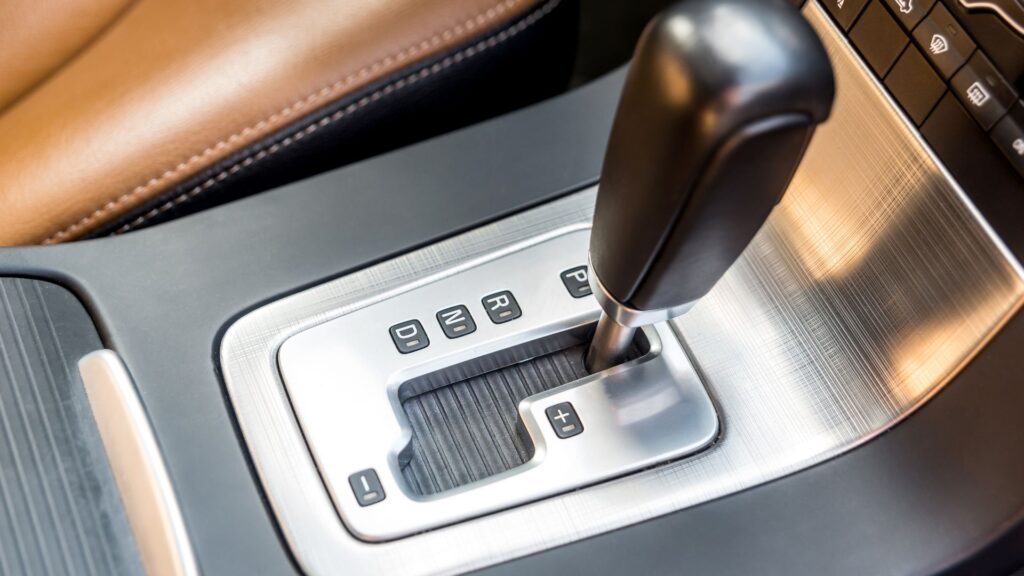
If your vehicle hesitates before shifting, or if the gear stick seems unresponsive, that is not normal. A healthy automatic transmission shifts smoothly and almost imperceptibly. Rough or delayed gear changes often point to low automatic transmission fluid, a worn valve body, or a failing sensor inside the transmission computer.
Slipping Between Gears
Gear slipping feels like your engine revs high but the car does not accelerate to match. It is disorienting and dangerous, especially in traffic. This is a classic sign that your ATF, or automatic transmission fluid, is dirty, low, or completely degraded.
Transmission Fluid Leaks
Automatic transmission fluid is a hydraulic fluid that keeps everything lubricated and pressurized inside the transmission. If you notice a reddish or brownish puddle under your vehicle, do not confuse it with motor oil. If left unaddressed, a fluid leak will accelerate internal wear and lead to complete transmission failure.
The Check Engine Light Is On
Many drivers ignore the check engine light, but your vehicle’s computer monitors transmission performance through multiple sensors. If a sensor detects abnormal torque output or shift behavior, it will trigger that light. Do not wait for a second warning sign.
Shaking, Grinding, or Humming Noises
A continuously variable transmission or a traditional automatic should operate quietly. If you hear grinding, humming, or feel vibration similar to riding over rough pavement, internal components may already be worn. These noises are not always caused by the brakes – sometimes they start inside the transmission.
Frequently Asked Questions About Transmission Health
How often should I change my transmission fluid?
The general recommendation for automatic transmissions is to change the fluid every 30,000 to 60,000 miles. However, service intervals vary by vehicle, so it is essential to check your owner’s manual for the manufacturer’s specific requirements.
What does it mean when my car enters “limp mode”?
Limp mode is a safety feature triggered by the vehicle’s computer when it detects a significant transmission or engine problem. It restricts gear selection and limits speed to protect the internal components from further catastrophic damage while allowing you to “limp” the car to a service center.
Proactive Maintenance Tips
Preventing a major repair starts with consistent, proactive habits. By paying attention to how your vehicle behaves daily, you can extend the life of your transmission and ensure a smoother ride.
- Check fluid levels regularly: Periodically inspect your transmission fluid to ensure it is at the correct level and remains a healthy reddish color.
- Listen for changes: During your daily commute, keep an ear out for abnormal sounds such as grinding or whining that occur during gear shifts.
- Shift with care: Always come to a complete stop before shifting from reverse to drive to avoid placing unnecessary mechanical stress on internal gears.
If you notice any of these symptoms or haven’t had your fluid inspected recently, contacting a professional service center immediately can save you from a complete transmission failure.
Why Early Action Saves You Money
Quality transmission fluid can help support proper transmission performance, but even the best fluid cannot save a transmission that has been neglected too long.
Don’t Ignore the Signs of Automatic Transmission Problems
If your vehicle is showing any of these signs of automatic transmission problems, do not wait and hope they go away. Grewal’s Automotive in Indianapolis provides expert transmission diagnostics and repair to get you back on the road safely. Schedule your transmission service today or call 317-886-7501 to speak with a technician who will give you straight answers and honest estimates.