
If your car’s been acting up lately – hesitating, sputtering, or throwing that dreaded check engine light, you might be dealing with a failing ignition coil.
As confusing as vehicle problems can be, you don’t have to be a certified mechanic to recognize the symptoms of a faulty ignition coil. At Grewal’s Automotive, we’re here to help drivers in Indianapolis understand what’s going on under the hood before minor issues turn into major repairs.
What Is an Ignition Coil and Why Is It Important?
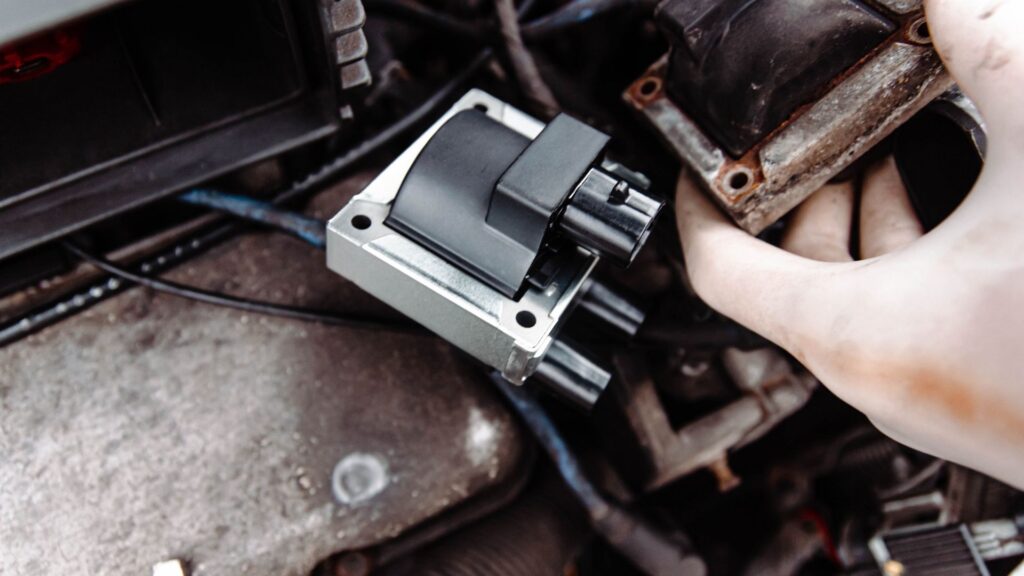
An ignition coil is a small but critical component of your car’s ignition system. Its job is to generate high voltage and send that power to the spark plugs, so they can ignite the fuel-air mixture in the combustion chamber.
Each coil can serve a single cylinder, and some modern engines use a coil-on-plug system where there’s one coil per spark plug. A malfunctioning ignition coil could hurt performance, lower fuel efficiency, or cause engine misfires.
7 Signs of a Faulty Ignition Coil
If you suspect something’s not right with your vehicle’s ignition coils, pay attention to these common signs. Catching the problem early can save you from more expensive repairs and avoid getting stranded on the side of the road.
Sudden Engine Misfires or Trouble Starting
One of the most noticeable symptoms of a failing ignition coil is an engine misfire. If a coil isn’t sending the right amount of voltage to the spark plug, that cylinder won’t fire properly. This results in a misfiring engine, especially noticeable when:
- You start your engine
- You try to accelerate
- You’re idling at stoplights
The vehicle’s ignition relies on every coil firing in sync with the spark plugs. Even a single ignition coil failure can throw everything off.
Poor Fuel Economy and Loss of Power
When the spark plugs don’t get enough power to ignite the fuel properly, your engine has to work harder than it should, leading to:
- A noticeable lack of power
- Poor fuel efficiency
- Higher emissions, impacting your vehicle’s exhaust system and catalytic converter
A bad coil can cause your engine to burn more fuel than necessary, which adds up quickly at the gas pump.
Illuminated Check Engine Light
An illuminated check engine light is one of the most common signs that something’s wrong, and behind it could be a potential ignition coil failure.
Modern vehicles use onboard diagnostics to detect misfires or voltage irregularities. The moment a coil fails or behaves inconsistently, your dashboard may light up. If you see the dreaded check engine light, it’s time to check your ignition system.
Hard Starting and Frequent Stalling
A faulty ignition coil can cause your vehicle to sputter or stall, especially during startup. If your car ran fine yesterday but won’t start or stalls repeatedly today, the issue could lie with one or more coils.
Stalling can happen if:
- The coil isn’t providing consistent voltage
- The ignition coil fails completely mid-drive
- Unburned fuel causes the combustion process to backfire
Backfire, Black Smoke, or Loud Bangs
A backfire occurs when unburned fuel ignites in the exhaust system. It’s often caused by a weak or malfunctioning ignition coil that doesn’t properly ignite the air-fuel mixture in the cylinder.
What to watch out for:
- A loud bang from your tailpipe
- Black smoke from the exhaust
- Sharp smells of gasoline due to unburned fuel
Backfires are not just loud and alarming – they can also damage your exhaust system and lead to more engine problems.
Rough Idle or Sputtering Engine
If your engine starts to sputter or you notice uneven vibrations while idling, that’s a key symptom of a bad or failing coil. A healthy ignition system should keep your idle smooth and quiet.
When the coil isn’t working correctly, the combustion in that cylinder becomes erratic, leading to:
- Rough idle
- Sputtering or shaking
- Inconsistent engine performance
Engine Knocking or Vibrations During Acceleration
Your engine shouldn’t knock or vibrate noticeably under normal conditions. If the engine starts knocking or jerking when you press on the gas, the issue could stem from ignition coil problems that affect combustion timing.
Warning signs include:
- Vibrations when you accelerate
- Delayed throttle response
- Ping-like noises from the engine
What Causes Ignition Coils to Go Bad?
Ignition coils can fail due to time, heat, environmental conditions, or electrical issues. Here are a few things that typically cause ignition coils to wear down:
- Worn spark plugs: These force the coil to generate even more voltage to make a spark.
- Heat and moisture: Excessive heat around the top of the engine or moisture inside the housing can degrade insulation inside the coil.
- Faulty electrical connector: Corrosion or loose wiring can disrupt coil output.
- Aging insulation materials: Rubber or plastic components break down over time, allowing electricity to arc and short the coil.
Both coil-on-plug designs and older distributor systems can experience similar issues, so regular maintenance helps keep everything in check.
Common Symptoms of a Bad Ignition Coil to Look Out For
To sum it up, here are the most common symptoms of a bad coil:
- Misfire or engine misfire
- Poor fuel efficiency
- Check engine light
- Vibrations or lack of power
- Difficulty starting
- Backfire or black smoke
- Rough idle
These are telltale signs of a faulty ignition you shouldn’t ignore. If your ignition coil fails completely, it could result in engine damage over time and leave you with high repair costs.
How to Handle Coil Failure Before It Gets Worse
If you recognize any of these issues, it’s best to get a professional to inspect your ignition system. Coil problems can damage your catalytic converter or create dangerous electrical issues.
While it’s possible for a single ignition coil to go bad, it’s also common for multiple coils to start failing around the same time. That’s why auto experts often recommend replacing all the ignition coils at once if they’re old or if more than one shows signs of wear.
Steps You Can Take:
- Get a diagnostic scan if your check engine light is on.
- Inspect spark plug wires, especially if they haven’t been changed recently.
- Schedule regular maintenance to prevent common ignition coil problems.
- Consider ignition coil replacement if a faulty coil has already been identified.
Need Help? Grewal’s Automotive in Indianapolis Has You Covered
If you’re seeing any symptoms of a faulty ignition or aren’t sure what’s going on with your engine, don’t guess and hope for the best.
At Grewal’s Automotive, we provide trusted auto repair and maintenance services in Indianapolis, including ignition coil replacement and diagnostics. Whether you’re dealing with a single bad coil or several malfunctioning ignition coils, we’ll help you identify the cause and suggest a long-term fix.
Final Thoughts
Handling a failing ignition coil early can mean the difference between a quick fix and serious engine problems. With symptoms ranging from misfires to black smoke or sputtering, the sooner you act, the better.
If you’re unsure whether a bad ignition coil is the culprit, bring your car in for a professional evaluation. You’ll avoid major headaches, reduce the risk of a backfire, and get your vehicle running smoothly again.
Stay ahead of ignition coil issues, because when it comes to your car’s engine, ignoring warning signs is never the best strategy.
Looking for help with ignition coil problems in Indianapolis? Let Grewal’s Automotive point you in the right direction with honest advice and reliable repairs. Reach out today.