
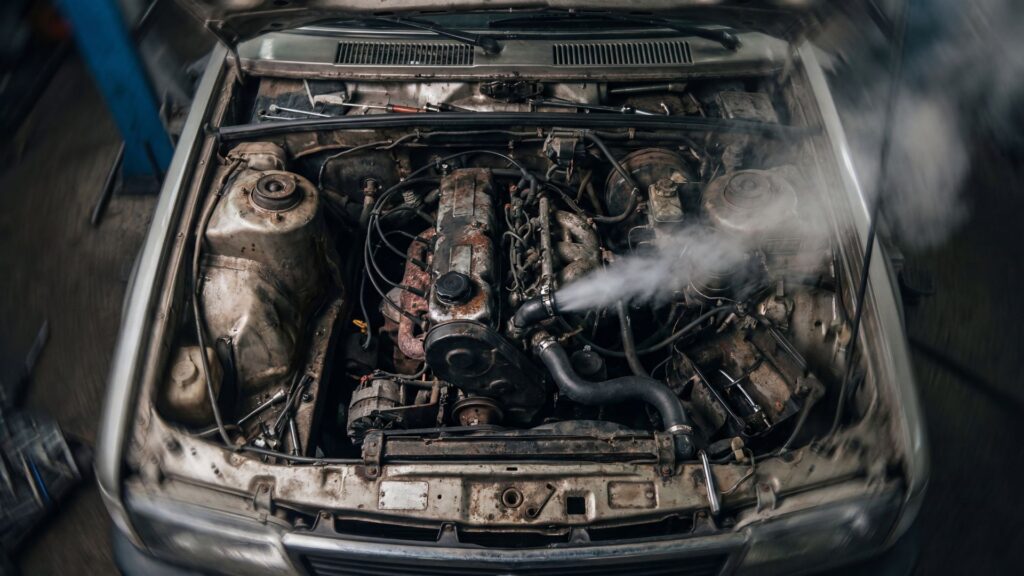
If you’ve ever seen steam rising from your hood or watched your temperature gauge spike into the red, you know how scary it can be when your vehicle is overheating. Whether it happens on a hot, summer day in stop-and-go traffic or during a long drive on the highway, engine overheating is not something to ignore.
Understanding what causes a car to overheat can help you catch small problems before they turn into serious damage. At Grewal’s Automotive, we’re here to help you stay cool under the hood and avoid costly repairs.
Why Does a Car Overheat?
There are several common reasons your vehicle might overheat. Most of them come down to one thing: your engine gets too hot because it can’t properly regulate temperature. But what makes this happen?
Let’s break it down.
Low Coolant Levels Can Cause a Car to Overheat
Coolant is the fluid that circulates through your engine, absorbing heat and moving it to the radiator. When coolant levels are low, there isn’t enough fluid to pull the heat away from the engine. This quickly leads to rising temperatures and can cause your car to overheat.
Here’s what causes coolant levels to drop:
- A coolant leak
- Evaporation over time
- Cracked hoses
- Failing water pump
To catch it early, regularly check your engine coolant. If your coolant levels are low, top them off with antifreeze. But keep in mind that adding fluid won’t fix the leak; it just buys you time until you can get to a mechanic.
Radiator Problems: One of the Most Common Causes of a Car Overheating
The radiator is essential for keeping your car cool. After absorbing heat from the engine, the coolant flows into the radiator, where the heat dissipates into the air. If the radiator isn’t doing its job, the whole system fails.
Common radiator issues include:
- Blockage from debris or dirt
- Cracked radiator housing
- Faulty radiator cap not holding pressure
- Broken radiator fan
Without airflow or pressure to help pull heat from the engine coolant, overheating can occur very quickly. Watch for steam, rising dashboard temperature gauges, or visible leaks at the front of the engine.
Thermostat Failure Can Lead to Overheating
The thermostat regulates engine temperature by controlling coolant flow from the engine to the radiator. When it’s working right, it opens as the engine heats up. When it fails, it may stay closed, trapping heat inside the engine block.
A stuck thermostat can rapidly cause overheating. Symptoms include:
- Fluctuating temperature gauge
- Lack of heat from the heater core
- The engine runs hot despite the coolant levels being normal
Don’t ignore thermostat trouble; thermostat failure is a serious issue that can lead to engine damage if left unchecked.
Coolant Leaks: Small Issue, Big Risk
A coolant leak might not seem like a big deal at first – maybe just a green or orange puddle under the car. But even small leaks can spiral into major repairs.
Look for leaks around:
- Hoses or coolant hoses
- Thermostat housing
- Radiator seals
- Water pump’s seal or gasket
A visible puddle under your parked vehicle or a drop in coolant levels over time is a red flag. If you suspect a leak, seek professional help to address the issue before it does damage to your vehicle.
The Water Pump: Your Engine’s Cooling Workhorse
The water pump’s job is to push coolant throughout the system. Think of it as the heart of your vehicle’s cooling system – if it fails, coolant can’t circulate.
Possible signs of a bad water pump include:
- Whining or grinding noises from the front of the engine
- Leaking antifreeze around the pump
- Steam or smoke from the radiator
Without effective coolant flow, heat builds up fast, leading to an overheated engine. Timely repair of the water pump can prevent your car from overheating.
Blockage in the Cooling System
Another sneaky cause of overheating is a blockage in the cooling system. If coolant can’t flow freely through the engine, radiator, or heater core, it can’t do its job.
This might happen due to:
- Rust or debris built up in the radiator
- Collapsed hoses
- Clogged heater core
A blockage in any part of the system disrupts temperature regulation and can cause rapid overheating.
Radiator Fan Failure
When your car is stationary or moving slowly, the radiator fan kicks in to cool the coolant since there’s less natural airflow. If the radiator fan fails, your engine can overheat while idling or in traffic.
Fan issues might be due to:
- Electrical problem
- Broken fan clutch
- Failed fan motor
Keep an eye on the temperature gauge whenever you’re stuck in traffic. If your engine begins to overheat while idle, this may be your culprit.
Oil Problems That Lead to Overheating
Motor oil helps more than just lubricate – it also pulls heat from the engine. If your oil levels are low or the oil is old and dirty, this can contribute to engine overheating.
How to check for oil problems:
- Use the dipstick to monitor oil levels
- Change oil at regular intervals
- Watch for signs of low oil pressure or warning lights
Low oil levels combined with a struggling cooling system can lead to severe overheating and potential engine damage.
When Belts and Hoses Break
Your vehicle’s belts and hoses keep the cooling and water pump systems working together. If a belt snaps, suddenly your water pump may stop turning. If a hose breaks, hot coolant pours out, and your system fails on the spot.
Warning signs of trouble include:
- Steam or smoke under the hood
- Squealing noise from a slipping belt
- Visible cracks or swelling in hoses
Avoid overheating and damage by performing regular checks on belts and hoses as part of your maintenance routine.
Warning Signs Your Car is Overheating
Knowing the early symptoms can make all the difference. Watch your:
- Temperature gauge – Higher than 220 degrees Fahrenheit? Time to stop.
- Warning lights – A clear signal that something’s off.
- Steam or smoke – Do not ignore this. Pull over safely and let the engine cool.
- Unstable idle – An overheating engine may idle roughly or stall.
If your car begins to overheat, follow these immediate steps:
- Turn off your air conditioning to reduce engine load.
- Turn on the heater – this might help pull heat from the engine into the cabin.
- Pull over safely and try to open the hood – carefully, only after letting it cool.
- Let the engine cool entirely before topping off antifreeze.
What Happens If You Keep Driving an Overheated Car?
Driving an overheated car can destroy your engine. That’s not dramatic talk – heat warps critical components:
- The head gasket can blow, allowing coolant to leak into the engine cylinders.
- Metal parts expand, causing engine damage or warping.
The longer you drive a hot car, the greater your chances of total system failure. It’s always better to be cautious and call for roadside assistance than to risk it.
Prevent Overheating With Regular Maintenance
Want to avoid getting stuck with an overheated car on the side of the road near Indianapolis, IN? A little maintenance goes a long way.
Prevent your car from overheating by:
- Checking coolant levels regularly
- Replacing coolant every couple of years
- Inspecting belts and hoses
- Watching your temperature gauge
- Getting your thermostat tested periodically
And remember, don’t ignore puddles, smoke, or dashboard warning lights. Something as simple as a small leak or blocked valve can lead to overheating if left untreated.
At the first sign that your vehicle is overheating, it’s smart to stop driving and have your vehicle towed. If you’re ever unsure, get help from a trusted mechanic – especially if your car continues to overheat while driving.
Let an Expert Help Before It Gets Worse
Engine overheating isn’t just a summer inconvenience; it’s a serious issue that can cause permanent engine damage if ignored. Whether it’s low coolant, thermostat failure, or a broken radiator fan, knowing the root of the problem is key to fixing it fast.
At Grewal’s Automotive, we specialize in diagnosing and repairing cooling system issues to help keep your car running smoothly through every season. Don’t wait until your dashboard lights up and steam starts pouring out. Visit our automotive repair services page or call us today.
Want to learn more tips to keep the engine cool and running efficiently? Follow us for updates and expert guidance to help you avoid overheating before it starts.